
Patient education
Tooth pain and symptom guide.
If something in your mouth hurts, here is what it usually means and when to see an endodontist. Start with the symptom that fits you.
Most tooth pain originates in the pulp, the soft living tissue inside your tooth. Pain that throbs, worsens at night, lingers after hot or cold, or flares when you bite usually signals that the pulp is inflamed or infected. An endodontist can identify the source and relieve it, most often in a single appointment.
Topics covered in this guide
What does throbbing tooth pain usually mean?
How do I tell the difference between a tooth infection and sensitivity?
When is tooth pain a dental emergency?
Why does my tooth hurt worse when I lie down?
Can tooth pain go away on its own?

Throbbing Tooth Pain: What It Means
Throbbing tooth pain is one of the strongest signs of pulp infection or abscess. Learn what causes it, why it…

What Causes Sudden Tooth Pain?
Sudden tooth pain with no obvious cause? Learn the 7 most common causes, from cracked teeth to abscesses, and when…

Why Does Tooth Pain Get Worse at Night?
Why does tooth pain get worse at night? Increased blood flow, lying down & fewer distractions all intensify dental pain.…

Why Does Tooth Pain Come and Go?
Why does tooth pain come and go? Intermittent tooth pain has several causes, some minor, some urgent. Learn what intermittent…

Tooth Pain When Chewing: Causes and Treatment
Tooth pain when chewing has several causes, from a simple bite adjustment to a cracked tooth or infection. Learn to…
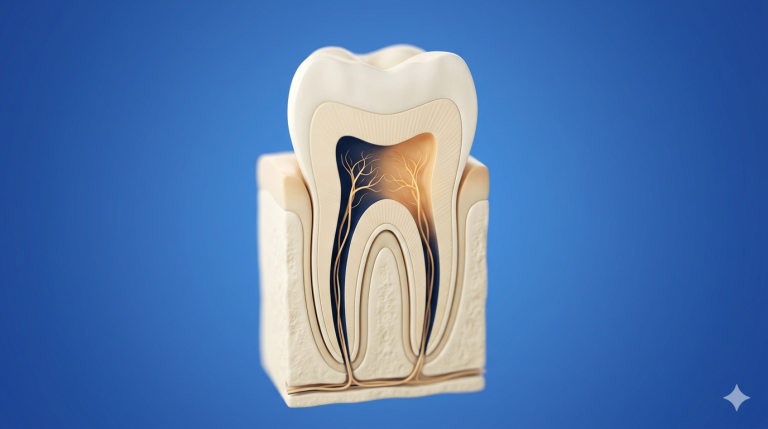
What Causes Tooth Nerve Pain?
What causes tooth nerve pain? From exposed dentin (the layer of tooth beneath the hard enamel, softer and more sensitive,…

Severe Tooth Pain: When to See a Specialist
Severe tooth pain that won't quit is a sign the pulp is inflamed or infected beyond recovery. Learn when to…

When Is Tooth Pain a Dental Emergency?
When is tooth pain a dental emergency? Severe throbbing, swelling, fever, or difficulty swallowing require same-day care. Learn the warning…

Can You Go to the ER for Tooth Pain?
Can you go to the ER for tooth pain? Yes, in certain situations. Learn when the ER is the right…
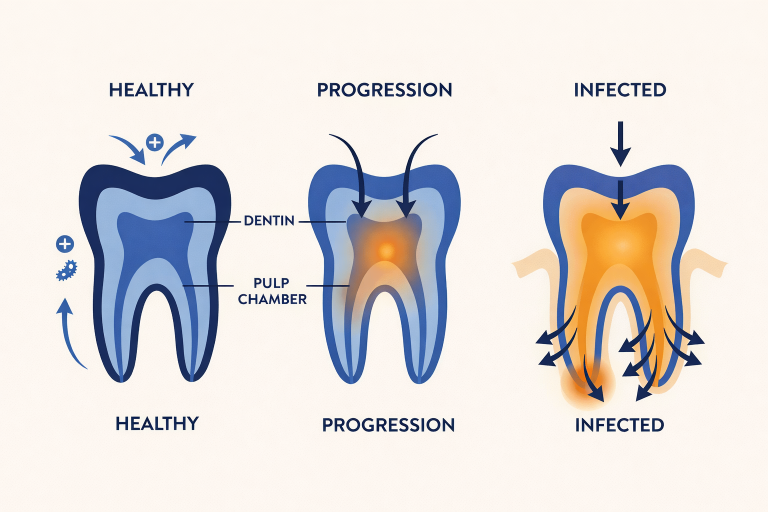
Signs of a Tooth Infection
What are the signs of a tooth infection? Throbbing pain, swelling, fever & a gum pimple are key warning signs.…

Dental Abscess: Symptoms and Treatment
What is a dental abscess? Learn the symptoms, types, treatment options, and when it becomes a medical emergency. Expert guidance…
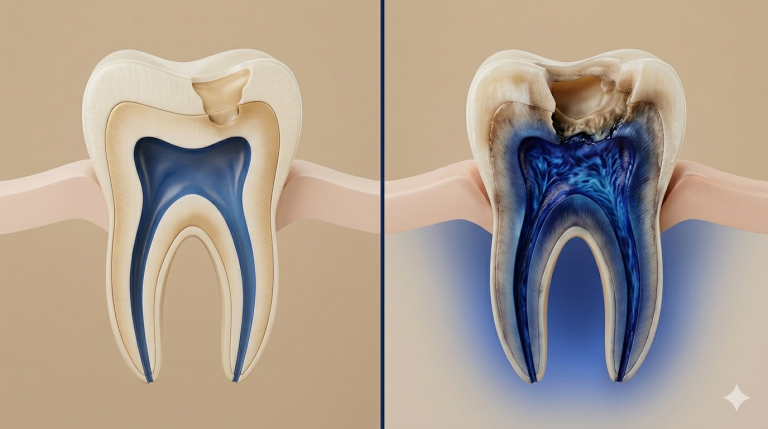
Tooth Sensitivity vs. Tooth Infection: How to Tell the Difference
Is it tooth sensitivity or a tooth infection? Learn the key differences in symptoms, duration, and warning signs, and when…

Why Does My Tooth Hurt When I Drink Cold Water?
Tooth hurts when drinking cold water? Learn what brief vs. lingering cold sensitivity means, what stage of pulp inflammation you…

Why Does My Tooth Hurt When I Eat Something Sweet?
Tooth hurts when eating sweets? Sweet sensitivity often signals exposed dentin (the layer of tooth beneath the hard enamel, softer…
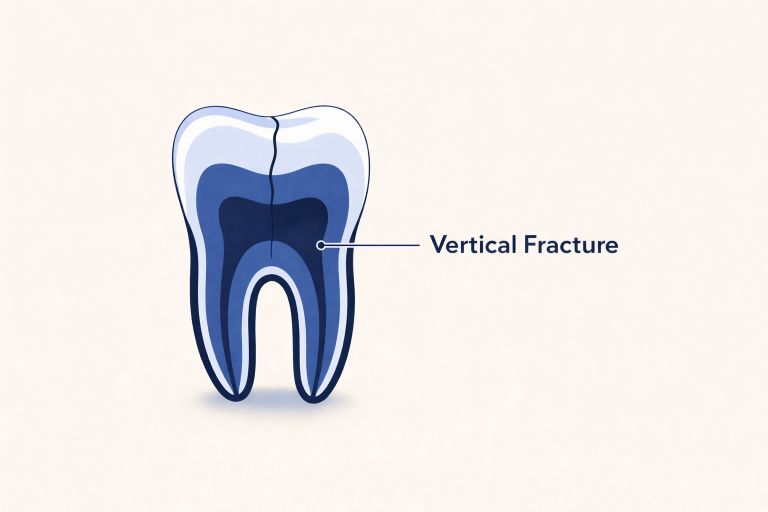
Cracked Tooth Symptoms: What to Watch For
What are the symptoms of a cracked tooth? Sharp pain when biting, inconsistent sensitivity & pain that's hard to locate…
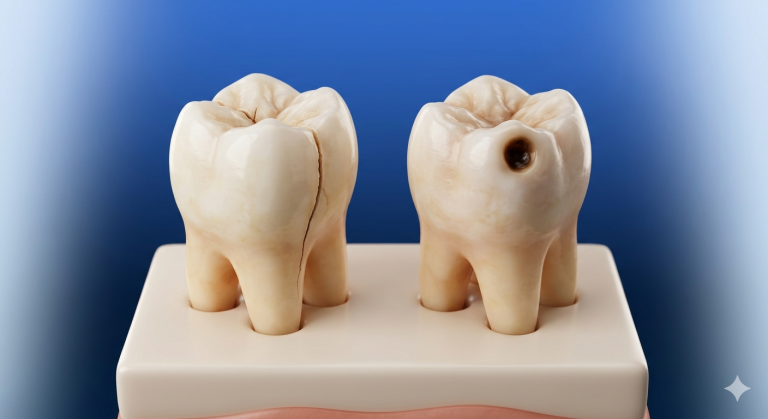
Cracked Tooth vs. Cavity: How to Tell the Difference
Cracked tooth vs cavity, how do you tell them apart? Pain patterns, triggers, and X-ray findings differ significantly. Learn to…
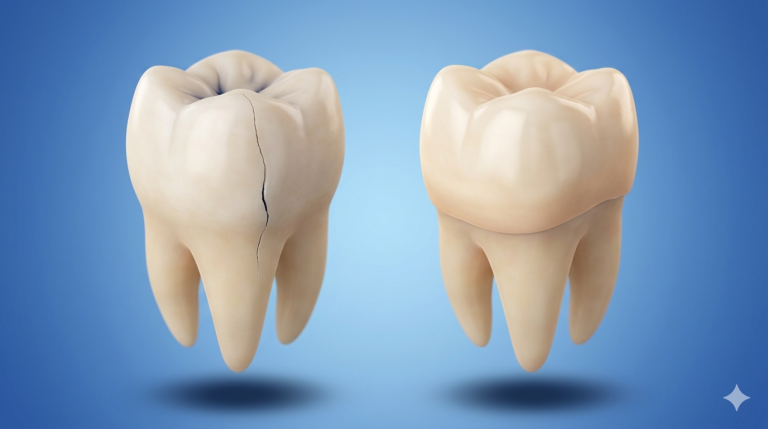
Can a Cracked Tooth Heal on Its Own?
Can a cracked tooth heal on its own? No, tooth enamel cannot regenerate. Learn what happens when cracks go untreated…

Is Pain Normal After a Root Canal?
Is pain normal after a root canal? Mild soreness for 2-3 days is expected. Learn what's normal, what signals a…

How Endodontists Diagnose Tooth Pain
How do endodontists diagnose tooth pain? Learn the systematic testing process, from cold and percussion testing to 3D CBCT imaging,…

Why Endodontists Are Specialists in Tooth Pain
Why are endodontists specialists in tooth pain? Their training focuses exclusively on diagnosing and treating dental pain, including cases that…
Related patient guides
Common questions about tooth symptoms
When should I see an endodontist for tooth pain?
See an endodontist if tooth pain lasts more than a day or two, wakes you at night, throbs, or flares when you bite or chew. These signs often point to the pulp, the living tissue inside the tooth, which is what endodontists treat. Early care usually saves the tooth.
Is throbbing tooth pain an emergency?
Throbbing pain often means the pulp inside the tooth is inflamed or infected. It is not always an emergency, but it rarely improves on its own. Booking a same-day or next-day visit gives you the best chance to save the tooth comfortably.
What does it mean when tooth pain comes and goes?
Pain that comes and goes can be an early sign of pulp inflammation. The quiet stretches do not mean the problem is healing. Having it checked early is easier than waiting until the pain becomes constant.
Why does my tooth hurt more at night?
Lying down increases blood flow to the head, which can raise pressure inside an inflamed tooth and make pain feel worse at night. Night pain is a common reason people seek care, and it usually responds well to treatment.
How do I know if I have a tooth infection?
Common signs include lingering pain, swelling of the gum or face, a bad taste, sensitivity to heat, or a small bump on the gum near the tooth. If you notice these, see a provider promptly. Spreading swelling or a fever needs same-day care.
Can a cracked tooth be saved?
Many cracked teeth can be saved, especially when treated early. The right approach depends on how deep the crack goes. An endodontist uses magnification and 3D imaging to find the crack and recommend the best option.
Is sensitivity to hot or cold something to worry about?
Brief sensitivity that fades within a second or two is usually normal. Sensitivity that lingers, especially to heat, can signal that the pulp is inflamed and is worth having checked.
Should I go to the ER for tooth pain?
A hospital emergency room can help with severe swelling that affects breathing or swallowing, a high fever, or a serious injury. For the tooth itself, an endodontist is the right provider. Urgent care clinics have the same limits: pain relief and antibiotics, but no root canal, extraction, or crack repair. Go to the ER or call 911 if facial swelling spreads toward your eye or throat.
Is some pain normal after a root canal?
Mild soreness for two to three days is normal and usually eases with over-the-counter pain relievers. Pain that increases after 72 hours is worth a call to your endodontist.
What can I do for tooth pain before my appointment?
Over-the-counter ibuprofen taken as directed by your provider, if it is safe for you, eases most tooth pain. A cold compress on the outside of the cheek can also help. Avoid hot foods and chewing on that side until you are seen.
Can tooth pain go away on its own?
Pain sometimes quiets when the nerve inside a tooth dies, but that does not mean the problem is gone. The infection may continue to spread into the surrounding bone without causing obvious pain. A tooth that stops hurting still needs to be evaluated.
Not sure what is going on?
A specialist can tell you for sure.
Call your nearest MFE location. Most of our offices offer same-day visits for tooth pain. Most root canals are completed in a single visit.