
Patient education
Root canal recovery and aftercare.
Most people feel back to normal within a few days. Here is what to expect, how to stay comfortable, and when to call us.
Most people return to normal activities the same day or the next. Mild soreness around the treated tooth for two to three days is normal. Ibuprofen (400–600 mg every 6–8 hours with food, as directed by your provider, if not contraindicated) manages most discomfort. Pain that worsens after 72 hours is worth a call.
Topics covered in this guide
How long does it take to feel normal after root canal therapy?
What pain relief is safe after a root canal?
Which symptoms after a root canal mean I should call the office?
Why does a treated tooth still need a crown or permanent filling?

What to Expect After a Root Canal
What should you expect after a root canal? Mild soreness for 2-3 days is normal. Learn what's normal, what's not,…

Is Pain Normal After a Root Canal?
Is pain normal after a root canal? Mild soreness for 2-3 days is expected. Learn what's normal, what signals a…

How Long Does Root Canal Recovery Take?
How long does root canal recovery take? Recovery takes up to a week on average. Full bone healing takes months.…
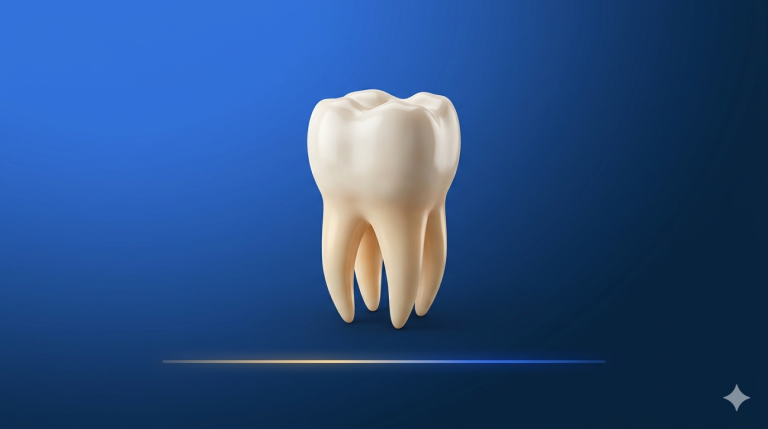
How Long Does a Root Canal Last?
How long does a root canal last? With proper restoration, root canal treated teeth can last a lifetime. Learn what…

Does a Root Canal Hurt?
Does a root canal hurt? Modern root canal treatment is no more painful than a filling. Learn what to expect…
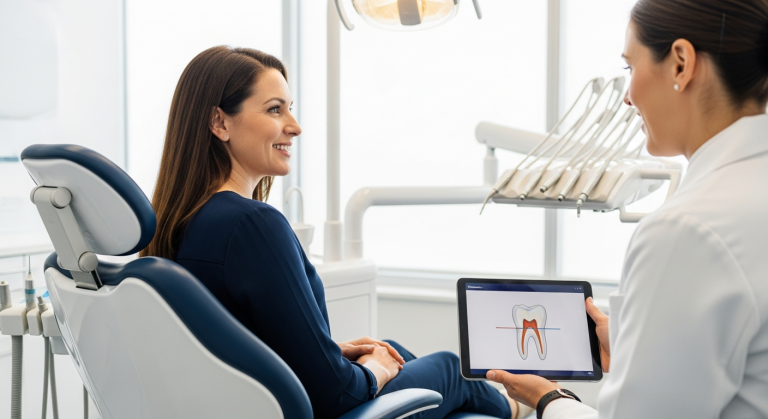
Why Early Treatment Prevents Tooth Loss
Why does early dental treatment prevent tooth loss? Acting early means simpler procedures, better outcomes, and lower cost. Learn the…

Eating After a Root Canal: What to Eat, and When
Most people can eat sooner than they expect after a root canal. The timing depends on one thing, and it…
Related patient guides
Common questions about recovery
How long does it take to recover from a root canal?
Is some pain normal after a root canal?
What can I take for soreness afterward?
What can I eat after a root canal?
When should I call the office after treatment?
Do I still need a crown or filling after a root canal?
How long will my treated tooth last?
When can I go back to work or exercise?
My tooth has a temporary filling — what do I need to know?
Will I need antibiotics after a root canal?
Questions during recovery?
We are here between visits.
Call any MFE location if something does not feel right after your treatment. A quick check is always worth it.