
Patient education
Endodontic procedures and technology.
Modern root canal treatment is precise, comfortable, and often done in one visit. Learn what each procedure involves and the tools that make it gentle.
A root canal removes the infected or inflamed pulp (the soft tissue inside the tooth), cleans the canals, and seals them — all while the tooth stays in place. Most procedures take 60 to 90 minutes and are completed in a single visit, using a surgical microscope and 3D imaging for precision unavailable a decade ago.
Step by step
How root canal therapy saves your tooth
Follow the four stages of treatment, from inflamed tissue to regrown bone.
-
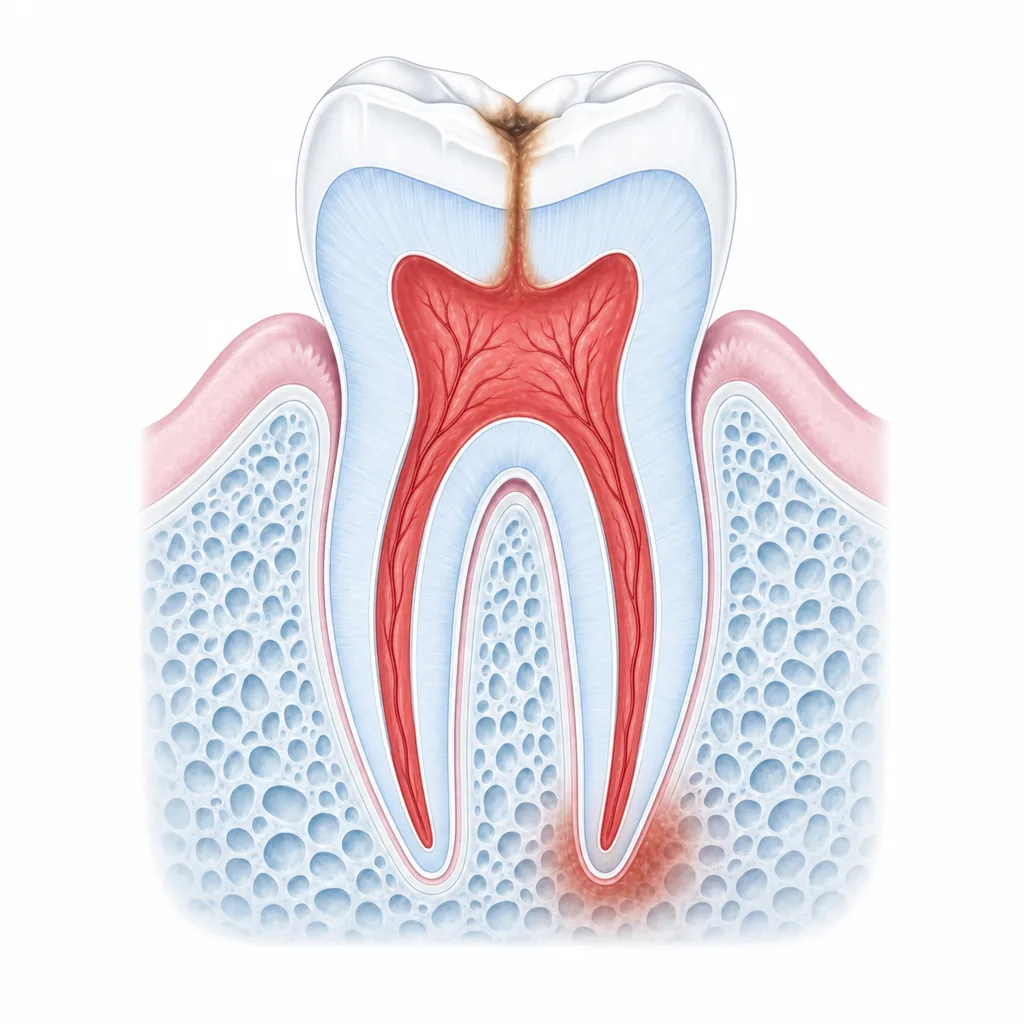
1 · The problem
Where the pain starts
Inflamed pulp tissue inside the tooth causes the throbbing pain, and an infection can form a pocket at the root tip. At this stage the tooth can almost always still be saved.
-
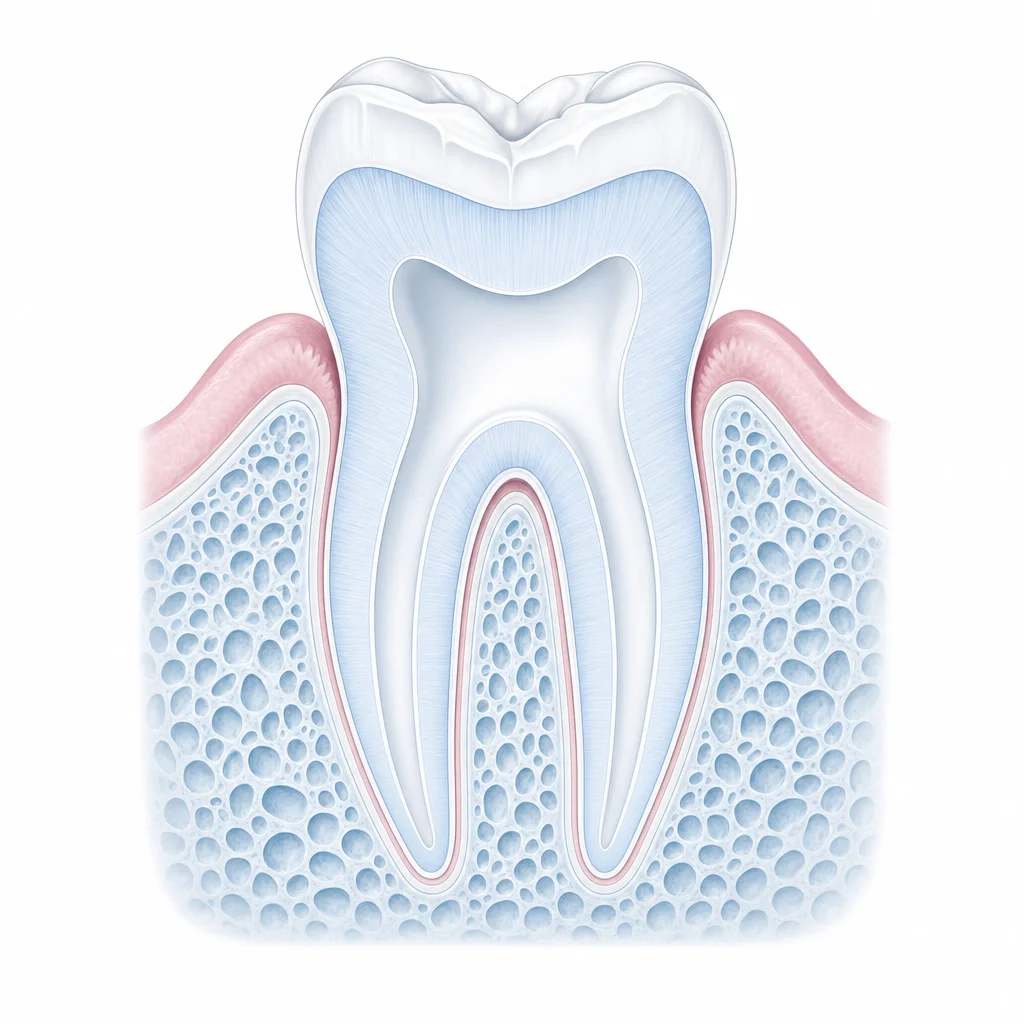
2 · Cleaning
Cleaned under the microscope
Under a surgical microscope, the inflamed tissue is removed and each canal is cleaned and disinfected. Most patients feel relief the same day.
-
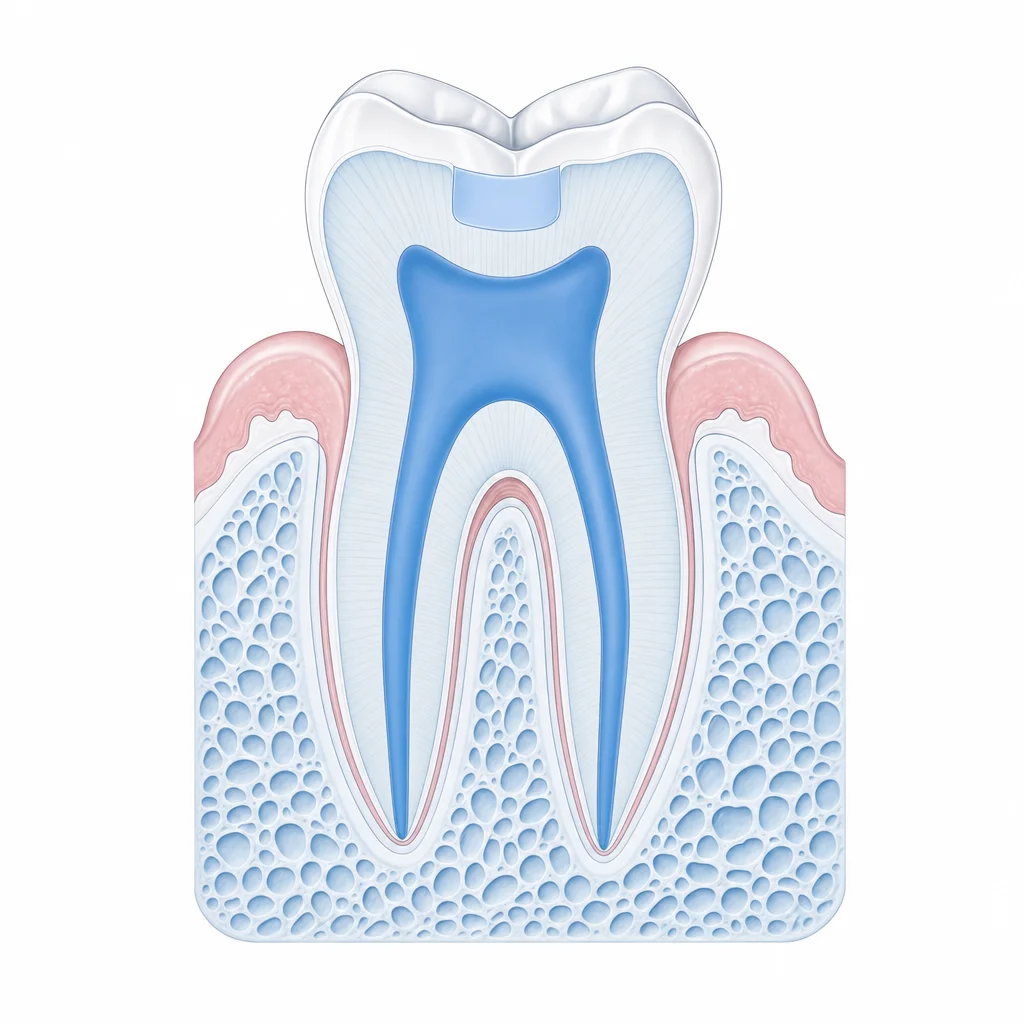
3 · Sealing
Sealed against reinfection
The cleaned canals are sealed to keep bacteria out, and the tooth is closed with a temporary filling until your dentist places the final restoration.
-
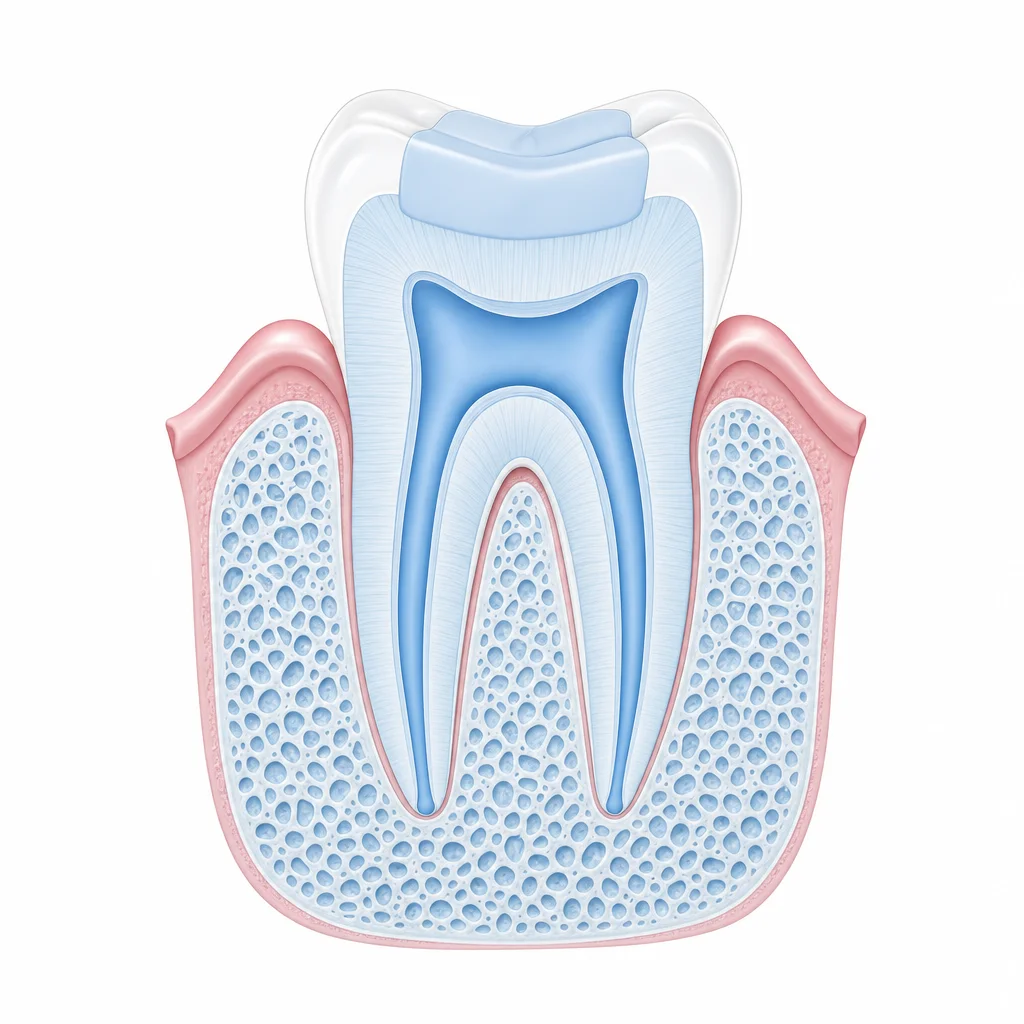
4 · Healed
Healed bone, saved tooth
Bone regrows around the root over the following months. The tooth stays yours: chewing, smiling, working like it always did.
Topics covered in this guide
What happens step by step during a root canal procedure?
How do surgical microscopes make root canal treatment more precise?
What is the difference between root canal therapy and root canal retreatment?
What is an apicoectomy and when is it needed?
How does 3D CBCT imaging change the way endodontists plan treatment?

What Happens During a Root Canal Procedure?
What happens during a root canal procedure? Learn every step, from imaging and anesthesia to cleaning, shaping, and sealing, from…

Signs You Need a Root Canal
What are the signs you need a root canal? Severe tooth pain, prolonged sensitivity, swollen gums & darkening teeth are…

How Long Does a Root Canal Take?
How long does a root canal take? Most procedures take 60-90 minutes and are completed in one visit. Learn what…

Does a Root Canal Hurt?
Does a root canal hurt? Modern root canal treatment is no more painful than a filling. Learn what to expect…
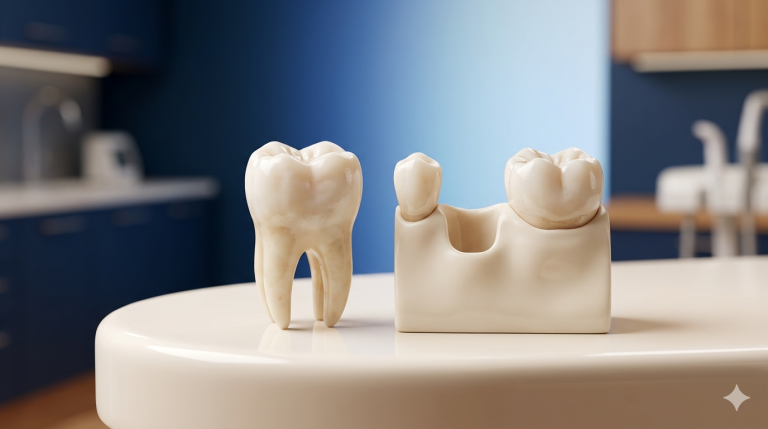
Root Canal vs. Extraction: Which Is Better?
Root canal vs extraction, which is better? In most cases, saving your natural tooth with a root canal is the…
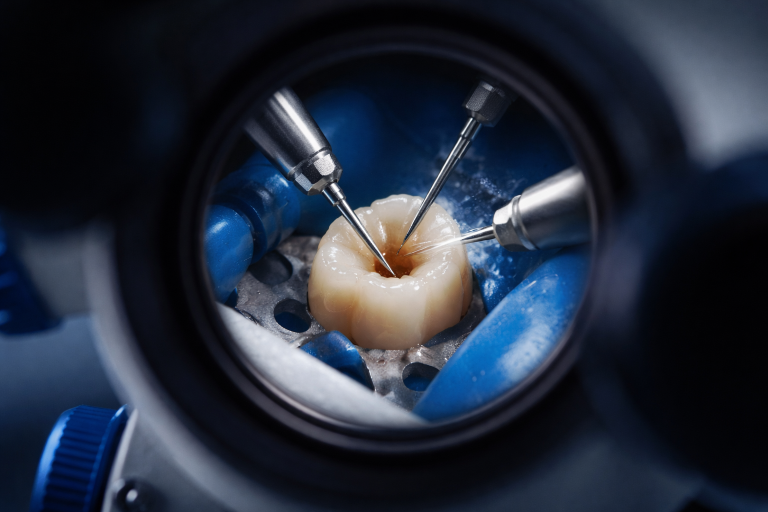
Modern Root Canal Technology Explained
Modern root canal technology has transformed the procedure. Learn about 3D CBCT imaging, surgical microscopes, nickel-titanium instruments, and more from…
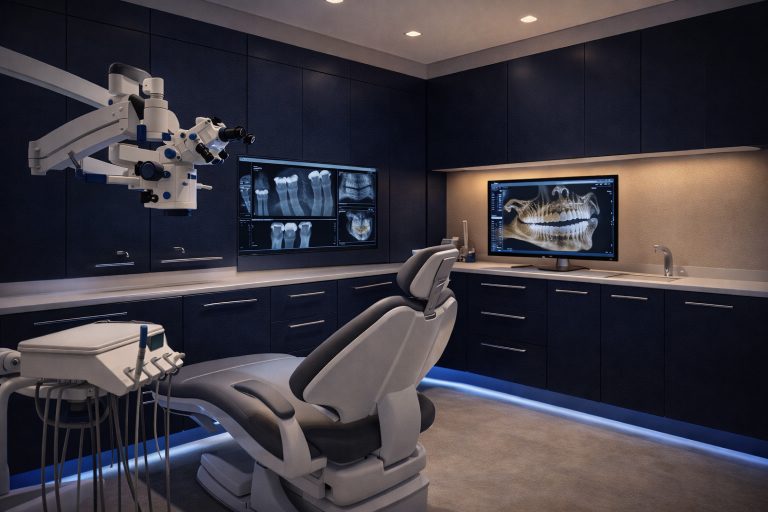
How Endodontists Use Dental Microscopes
How do endodontists use dental microscopes? Surgical microscopes provide up to 30x magnification, enabling crack detection, canal identification, and precision…

Why Root Canal Treatment Saves Teeth
Why does root canal treatment save teeth? By removing infected tissue while preserving the natural tooth structure, root canals restore…

Are Root Canals Safe?
Are root canals safe? Yes, root canal treatment is one of the most studied and validated procedures in dentistry. Learn…
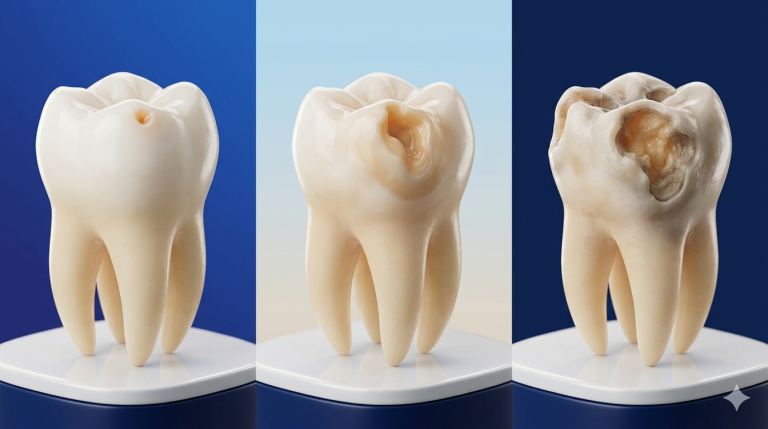
What Happens If You Delay a Root Canal?
What happens if you delay a root canal? Infection spreads, bone is destroyed, and a treatable tooth can become unsalvageable.…
Our specialist services
Related patient guides
Common questions about endodontic procedures
What happens during a root canal procedure?
Is a root canal painful?
How long does a root canal take?
Can a root canal be done in one visit?
How do microscopes and 3D imaging help?
Is a root canal better than pulling the tooth?
Are root canals safe?
What is an apicoectomy?
What is root canal retreatment and why might I need it?
Can a knocked-out or injured tooth be saved?
Ready to talk to a specialist?
See if one visit can solve it.
Call any MFE location to schedule an evaluation. Many root canals are completed the same day.