Most common procedure
Root Canal Therapy
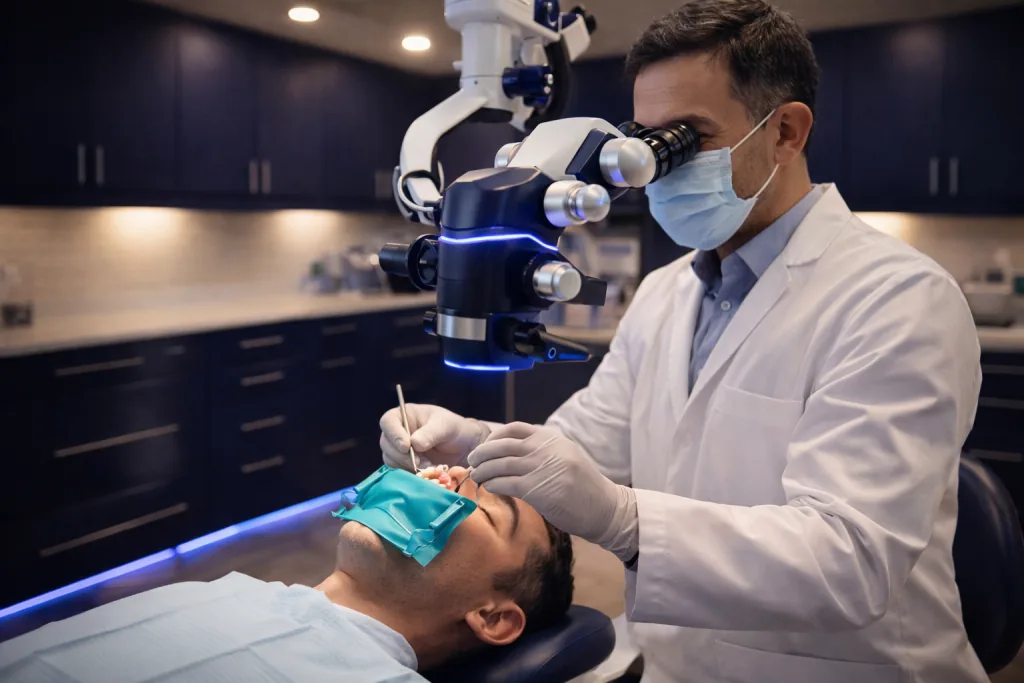
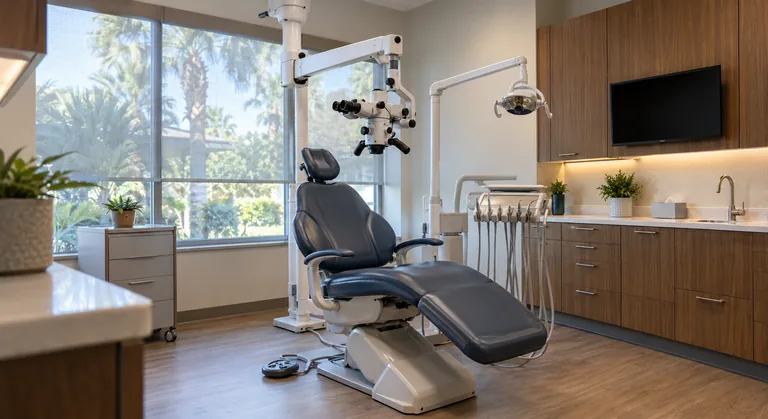
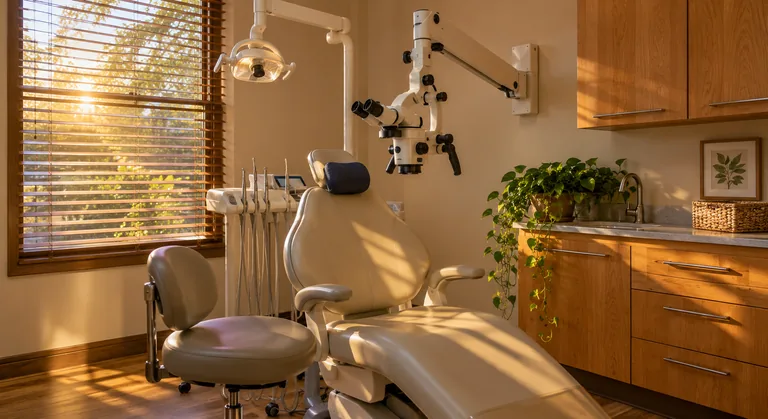
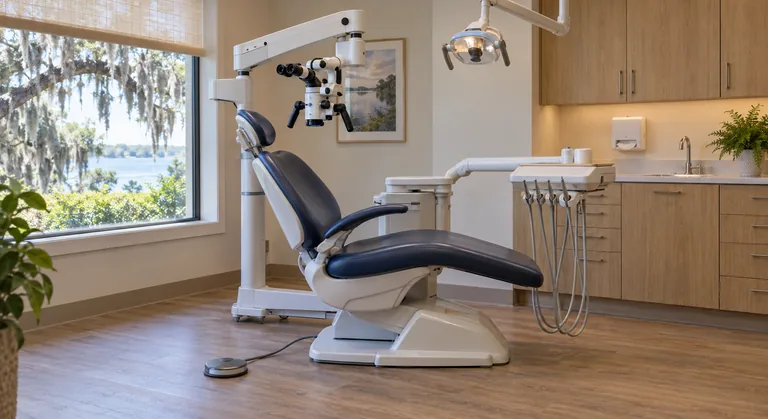
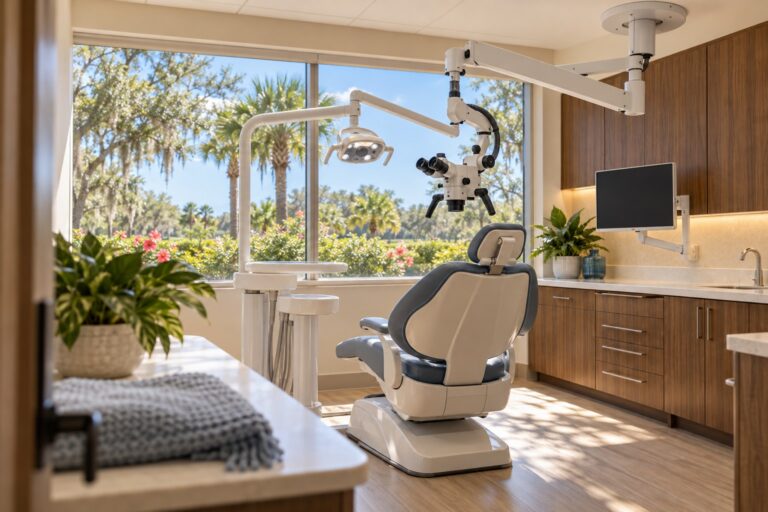
Root canal therapy is how a tooth with an infected nerve is saved instead of pulled. Your endodontist treats it under a surgical microscope with 3D CBCT imaging and rubber dam isolation, seeing every canal clearly. Your dentist can refer you, or you can call any of our offices directly.
A root canal removes infected pulp from inside a tooth, cleans the canal system, and seals it to save the natural tooth. The procedure typically takes 60 to 90 minutes under local anesthesia and is no more uncomfortable than a routine filling. Most patients return to normal activities the same day.
See it step by step
What happens during a root canal
Root canal therapy is the specialist treatment that saves a tooth when the pulp inside it becomes inflamed or infected. At Mid-Florida Endodontics, every root canal is performed by an endodontist (a dentist with years of extra training focused only on the inside of the tooth), using 3D CBCT imaging and a surgical operating microscope to find and treat canals a standard X-ray can miss. You’ll find that same specialist care at MFE locations across Florida.
Why Would I Need a Root Canal?
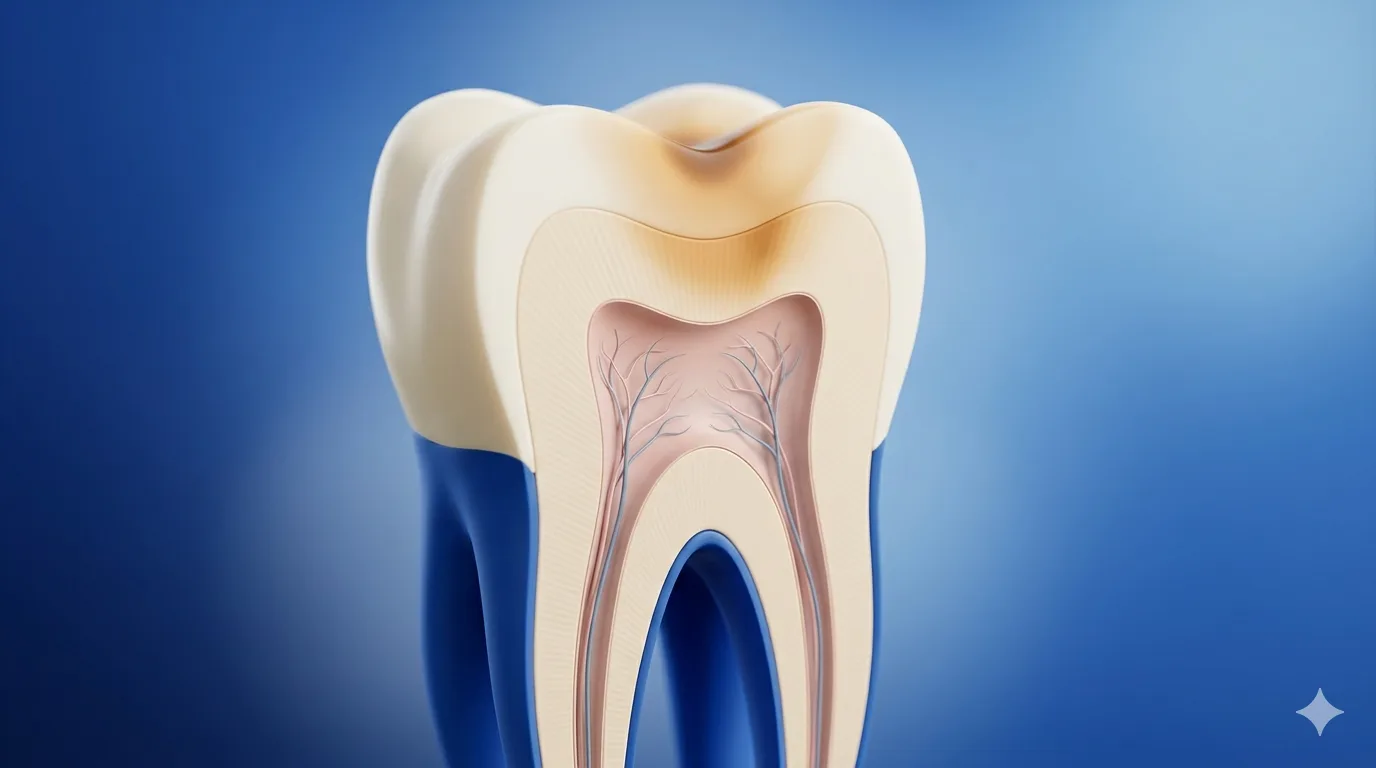
Inside every tooth is a soft tissue called the pulp, a network of nerves and blood vessels that helps the tooth develop. Once a tooth is fully formed, the pulp is no longer essential to its function. When the pulp becomes infected or irreversibly inflamed, from deep decay, a crack, trauma, or a failing restoration, it cannot heal on its own. Root canal therapy removes the compromised tissue, eliminates the infection, and seals the tooth to restore full function.
Common signs that root canal therapy may be needed:
- Spontaneous throbbing or aching pain, especially at night
- Severe sensitivity to heat that lingers after the source is removed
- Cold sensitivity that lingers noticeably after the cold is removed
- Sharp pain when biting or chewing
- Swelling of the gum, cheek, or jaw near the affected tooth
- A pimple-like bump on the gum (sinus tract) that may drain
- Tooth discoloration or darkening
- A tooth identified on X-ray or CBCT as having a periapical (relating to the area surrounding the very tip of a tooth’s root) lesion (an area of infection and bone damage at the tip of a tooth’s root, visible on X-rays) even without obvious pain
Your general dentist may refer you to us after identifying one or more of these signs, or you can contact Mid-Florida Endodontics directly. Note that some insurance plans require a referral from your general dentist for specialist coverage, check your plan when scheduling.
What Happens During a Root Canal Procedure?
Modern root canal treatment is a straightforward, well-controlled procedure. Here is exactly what to expect at Mid-Florida Endodontics:
3D Imaging and Diagnosis
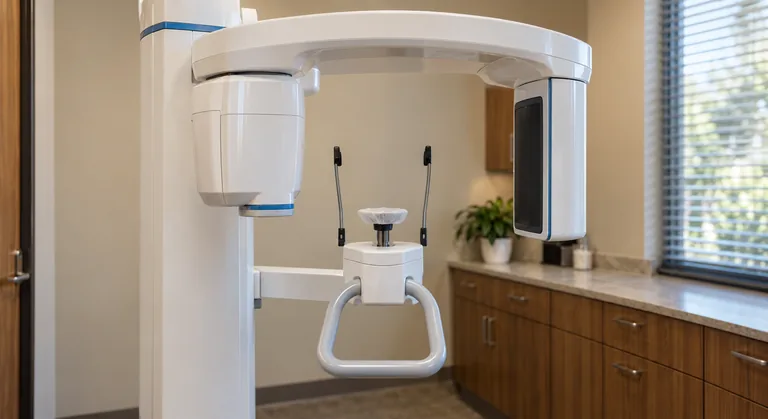
We take a cone-beam CT (CBCT) scan before treatment begins, giving us a complete three-dimensional map of the tooth’s canal anatomy, surrounding bone, and any pathology. This eliminates surprises and allows us to plan the procedure precisely before touching a single instrument.
Comfortable Anesthesia
Local anesthetic is administered with care, at most of our locations using The Wand, a computer-assisted delivery system that releases anesthetic slowly and gently. We confirm you are fully numb before proceeding. You should feel no pain during treatment, only mild pressure or vibration.
Rubber Dam Isolation
A thin rubber sheet isolates the treated tooth from the rest of the mouth, keeping the area dry, preventing contamination from saliva, and protecting you from irrigating solutions.
Pulp Removal Under Microscope
A small opening is made through the top of the tooth. Under surgical microscope magnification, the infected or inflamed pulp tissue is carefully removed from the pulp chamber (the hollow space inside the crown of the tooth that houses the nerve and blood vessels) and each root canal. Microscope visualization allows us to identify all canals, including accessory canals that are invisible to the naked eye.
Cleaning, Shaping, and Disinfection
Flexible nickel-titanium rotary instruments clean and shape each canal to precise dimensions. Antimicrobial irrigating solutions, primarily sodium hypochlorite, flush debris and disinfect the canal system. Ultrasonic instrumentation is used to activate irrigant and ensure thorough penetration throughout. An electronic apex locator (a small device that uses electrical signals to precisely measure the length of each root canal) precisely measures canal length so cleaning is complete without overfilling.
Obturation: Sealing the Canal
Once cleaned and disinfected, the canals are filled with gutta-percha (a biocompatible, natural rubber-like material that has been the gold standard in endodontics for over 150 years), then sealed with a specialized cement to prevent bacterial re-entry. A temporary or permanent filling is placed over the access opening.
Crown Placement With Your General Dentist
After root canal treatment, the tooth requires a final permanent restoration placed by your general dentist, typically within 30 days, the sooner the better. We send a detailed treatment report to your dentist so the restorative phase proceeds seamlessly. Do not delay, the temporary filling is not long-term protection.

Technology We Use on Every Case
Mid-Florida Endodontics invests in the most advanced endodontic technology available because it directly improves outcomes for every patient we treat.
- 3D Cone-Beam CT (CBCT) Imaging, used routinely on the vast majority of patients to map full three-dimensional tooth anatomy before treatment
- Surgical Operating Microscope, high magnification used on every case for canal identification, tissue removal, and crack detection
- The Wand Computer-Assisted Anesthesia, computer-controlled injection for a significantly more comfortable numbing experience
- Nickel-Titanium Rotary Instruments, flexible, efficient canal shaping that conforms to natural canal curves
- Electronic Apex Locator, precise canal length measurement accurate to fractions of a millimeter
- Ultrasonic Instrumentation, for irrigation activation, canal troughing (using an ultrasonic instrument to carefully remove a thin groove of tooth structure to locate hidden root canal openings), post removal, and instrument retrieval
What Should I Expect After a Root Canal?
Most patients feel significantly better within 2-3 days after root canal treatment. Some soreness and tenderness for up to a week is completely normal and expected. Every patient heals at a slightly different pace.
Normal After Treatment
- Mild to moderate soreness, most patients significantly better within 2-3 days
- Tenderness for up to a week, normal range
- Longer tenderness if you cannot take NSAIDs due to medical conditions
- Gum tenderness from the rubber dam or injection sites
- Jaw achiness from keeping mouth open
- Overall gradual improvement in symptoms
Contact Us If You Have
- No improvement at all after several days
- Symptoms worsening at any point rather than improving
- Visible swelling of the cheek, jaw, or neck
- Fever alongside tooth discomfort
- Return of severe pre-treatment throbbing pain
Medication: Take medications as prescribed or recommended by your provider. Do not apply heat or cold compresses to the outside of your face, this can increase swelling, particularly when infection was present. Eat soft foods and avoid chewing on the treated side until your crown is placed.

Patient education
Inside your tooth
See how decay travels from the outer enamel to the nerve, and which parts root canal therapy cleans and repairs.
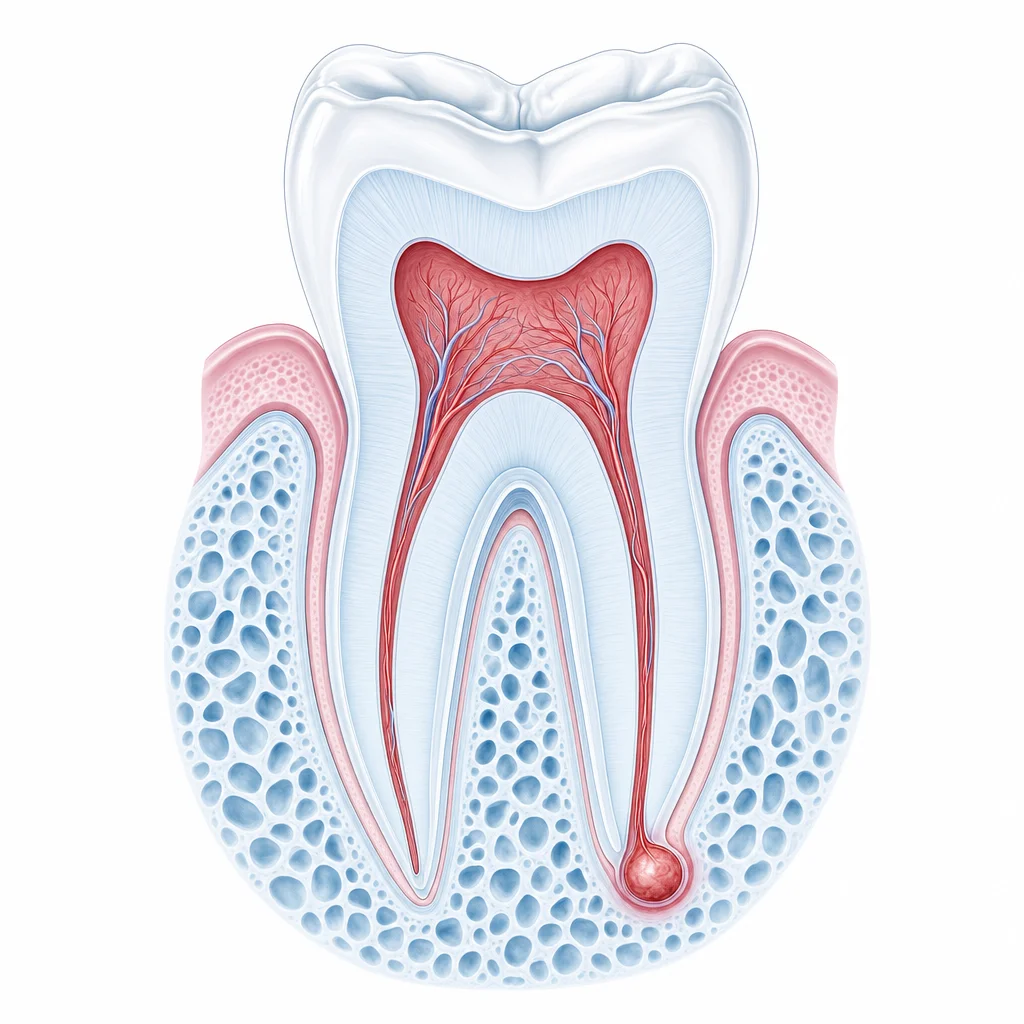
Select a marker on the diagram, or a name below, to explore each part of the tooth.
Inflamed pulp
The living tissue with the nerve and blood supply. When it is inflamed, it causes the throbbing pain that brings most patients to us, and it is exactly what root canal therapy treats.
- Enamel
- The hard outer shell. Decay starts here, and because enamel has no nerve endings, early cavities are painless.
- Dentin
- The softer layer under the enamel. Once decay reaches dentin it moves faster, and hot and cold start to register.
- Inflamed pulp
- The living tissue with the nerve and blood supply. When it is inflamed, it causes the throbbing pain that brings most patients to us, and it is exactly what root canal therapy treats.
- Root canals
- Narrow channels that carry the nerve through each root. During treatment they are cleaned, disinfected, and sealed under a surgical microscope.
- Abscess
- A pocket of infection at the root tip that forms when bacteria escape the tooth. Antibiotics alone cannot cure it; treating the canal removes the source.
See the four stages of treatment illustrated, from inflamed tissue to regrown bone →
Before and after
What healing looks like
Treatment removes the infection, and bone rebuilds around the root over the months that follow.
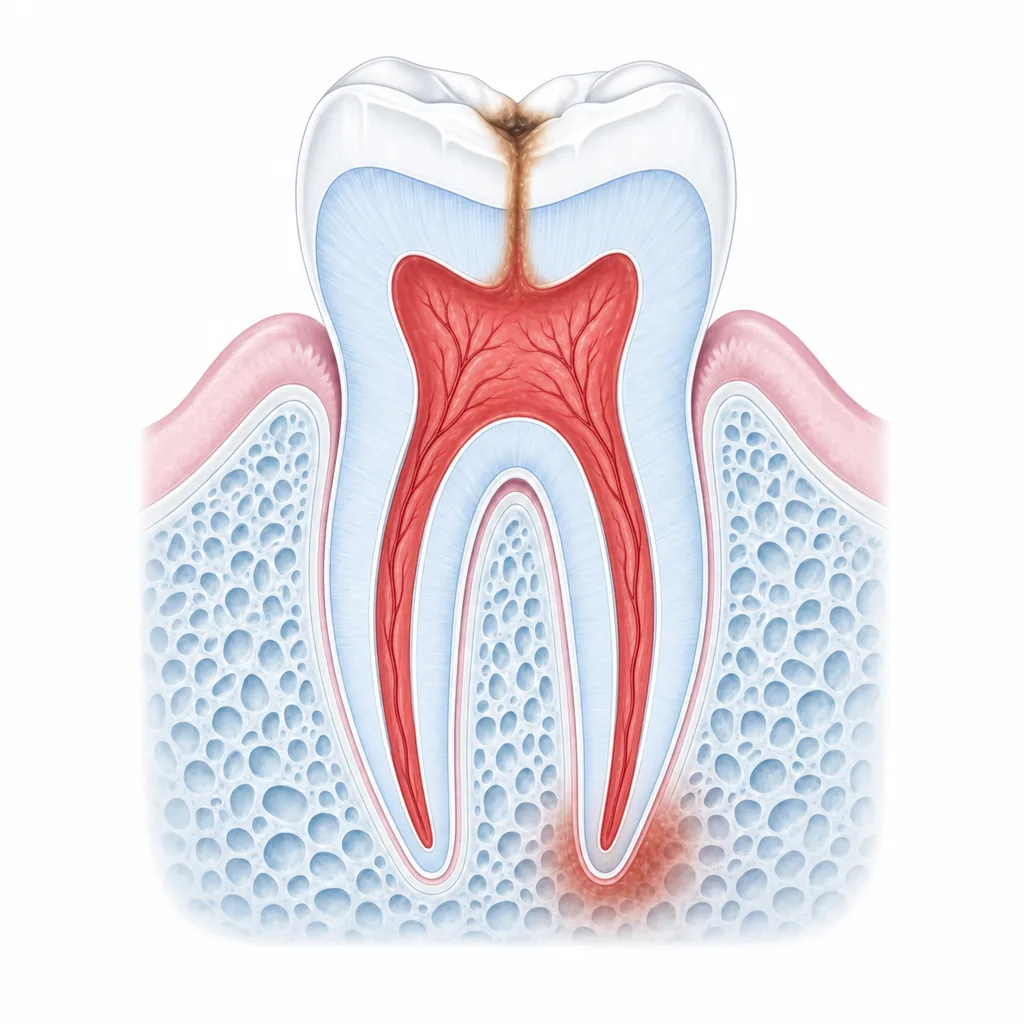
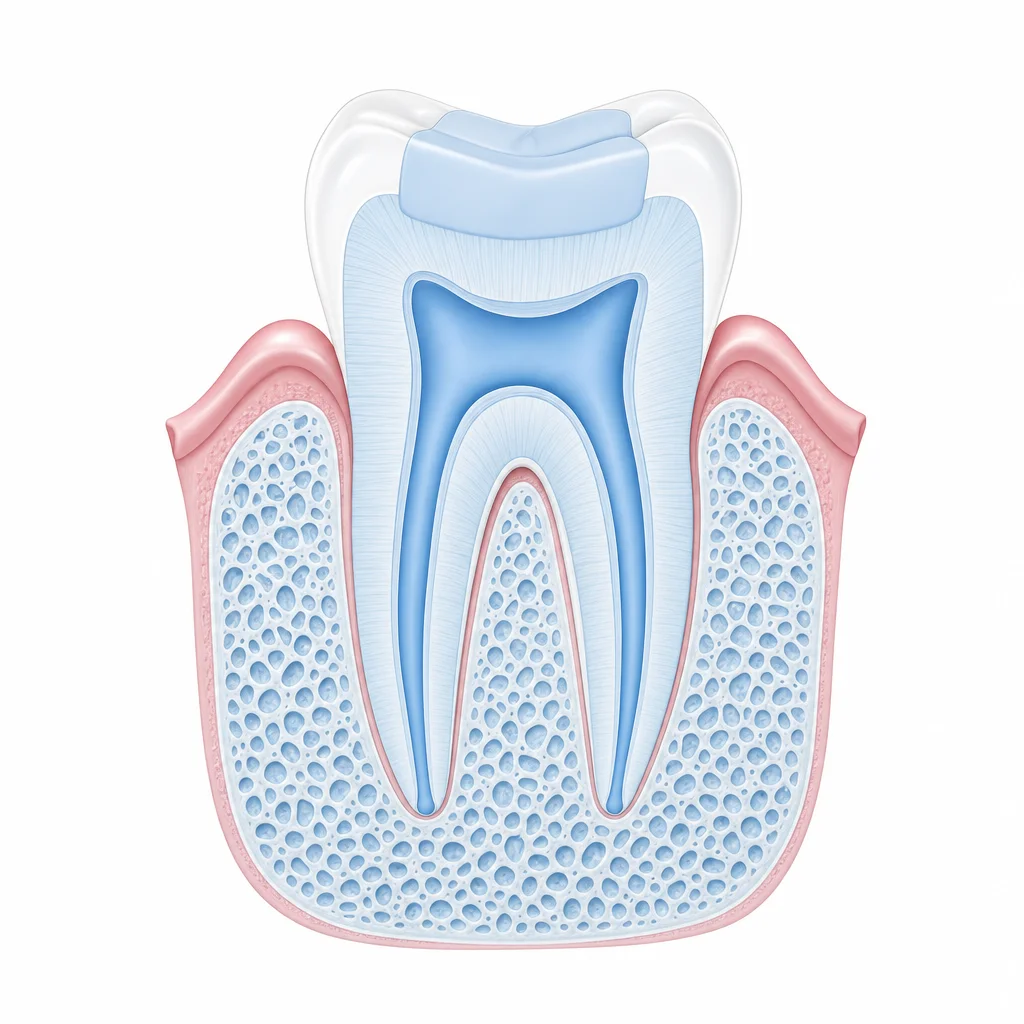
Drag across the image, or use the slider, to compare before and after.
Frequently asked questions
How long does a root canal take?
Will I feel pain during a root canal?
How long is the recovery after a root canal?
Is a root canal better than pulling the tooth?
Can I drive home after my root canal appointment?
Do I need a crown after a root canal?
How successful are root canals?
What happens if I delay a root canal?
End your tooth pain today.
Most of our offices offer same-day emergency care. We will have you comfortable within hours, not days.
Related care

Emergency Root Canal Treatment
Emergency root canal treatment means being seen today rather than waiting days for an appointment. Call your nearest office, and an endodontic specialist will numb the tooth, find the source of the ache, and treat it in one visit. Most patients feel steady relief within 24 to 48 hours. Learn more →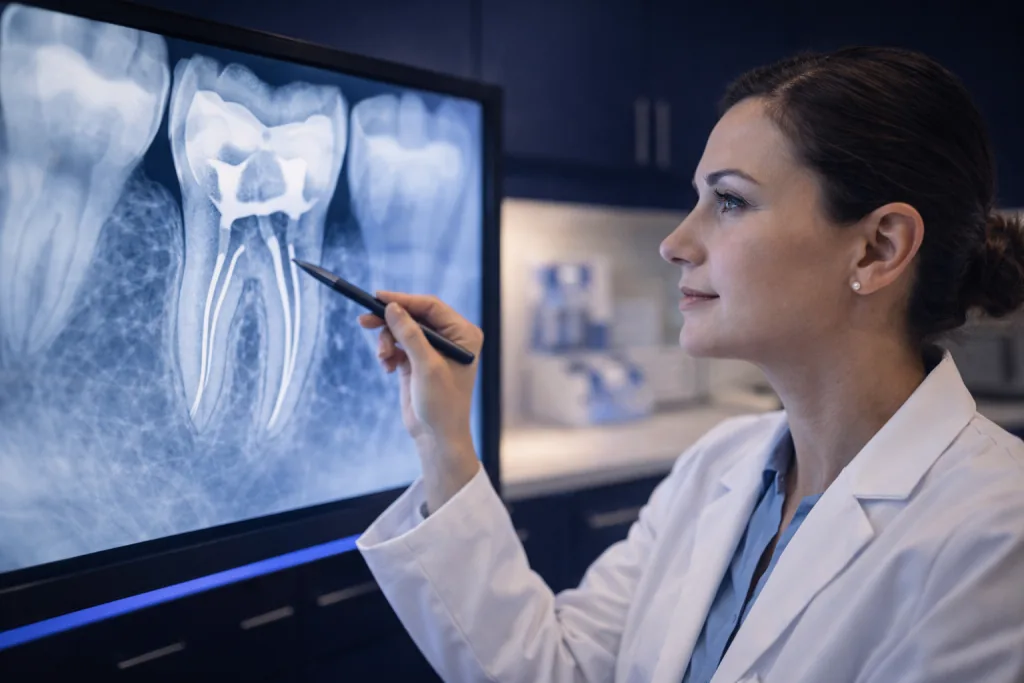
Root Canal Retreatment
Root canal retreatment is the second look a tooth gets when an earlier treatment did not fully settle it. Your endodontist works under a surgical microscope with 3D CBCT imaging, looking for the cause: an extra canal, a hidden crack, or a seal that broke down. Your natural tooth stays in place. Learn more →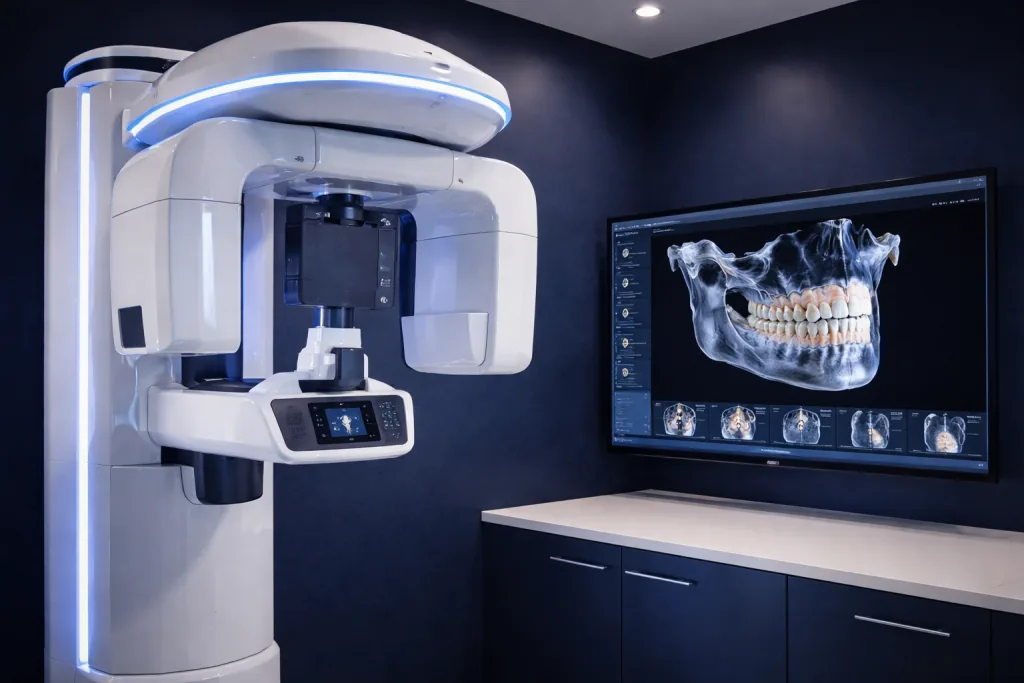
3D CBCT Imaging in Endodontics
3D CBCT imaging happens during your appointment, without a separate visit and with no preparation on your part. You are positioned in the scanner, and it spins around your head. There is no tunnel, and the scan is done in seconds. Your endodontist then reviews the images with you before treatment begins. Learn more →Specialist Root Canal Therapy near you
-
Root Canal Therapy in Clermont
Learn more → -
Root Canal Therapy in Daytona Beach
Learn more → -
Root Canal Therapy in Dr. Phillips, Orlando
Learn more → -
Root Canal Therapy in Kissimmee
Learn more → -
Root Canal Therapy in Lake Nona, Orlando
Learn more → -
Root Canal Therapy in Longwood
Learn more → -
Root Canal Therapy in Maitland
Learn more → -
Root Canal Therapy in Mount Dora
Learn more → -
Root Canal Therapy in Orange City
Learn more → -
Root Canal Therapy in The Villages
Learn more → -
Root Canal Therapy in Waterford Lakes, Orlando
Learn more → -
Root Canal Therapy in Winter Garden
Learn more →




From the blog
Keep reading.
-
 Root Canal Basics
 Does a Root Canal Hurt?
Does a root canal hurt? Modern root canal treatment is no more painful than a filling. Learn what to expect from Florida's root canal specialists. -
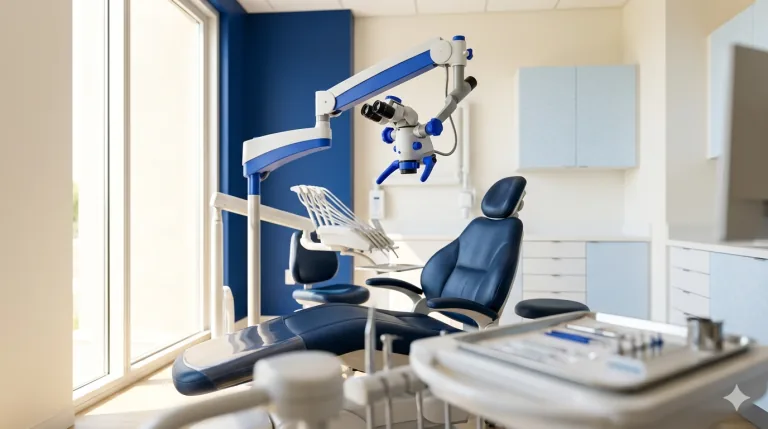 Procedures & Technology
 What Happens During a Root Canal Procedure?
What happens during a root canal procedure? Learn every step, from imaging and anesthesia to cleaning, shaping, and sealing, from Florida's endodontic specialists. -
 Root Canal Basics
 How Long Does a Root Canal Take?
How long does a root canal take? Most procedures take 60-90 minutes and are completed in one visit. Learn what affects treatment time from Florida's endodontic specialists. -
 Recovery & Aftercare
 What to Expect After a Root Canal
What should you expect after a root canal? Mild soreness for 2-3 days is normal. Learn what's normal, what's not, and how to recover quickly from Florida's endodontic specialists. -
 Procedures & Technology
 Why Root Canal Treatment Saves Teeth
Why does root canal treatment save teeth? By removing infected tissue while preserving the natural tooth structure, root canals restore function and prevent bone loss. Learn more from Florida's endodontic specialists. -
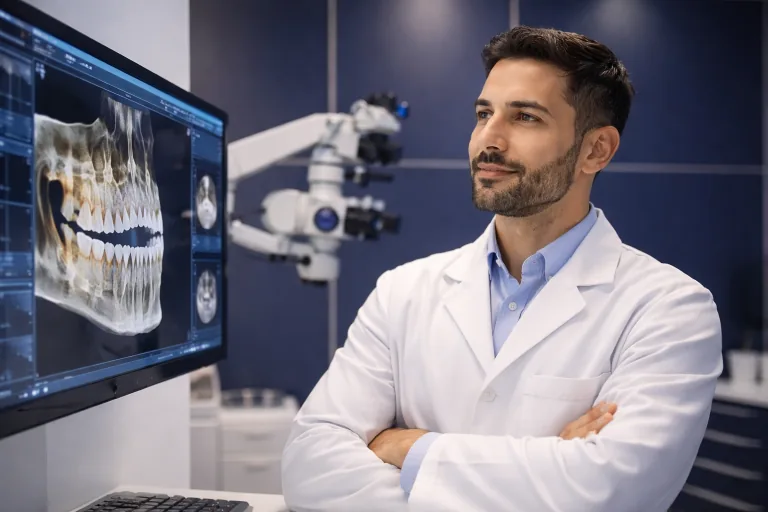 About Endodontists
 What Is an Endodontist and When Should You See One?
What is an endodontist? An endodontist is a dental specialist with 2-3 years of advanced training in root canals and tooth pain. Learn when to see one in Florida.