Emergency care
Dental Trauma Treatment
Same-day care for knocked-out teeth, root fractures, and dental injuries. We work fast because every minute matters, especially for avulsed teeth.
Dental trauma is any injury to a tooth from a fall, sports, or an accident, from a small chip to a tooth that's knocked out. Quick evaluation gives the best chance to save the tooth. An endodontist checks the pulp (the living tissue inside the tooth) and treats the root so the tooth can heal.
See it step by step
What to do for a knocked-out or chipped tooth
Dental emergency? Knocked-out or broken tooth? Most of our offices can see you the same day.
It covers any injury to a tooth, from a chip or crack to a tooth that’s been loosened (luxation) or knocked out completely (avulsion). Because the inside of a tooth can be affected even when the outside looks fine, an endodontist checks the pulp (the living tissue inside the tooth) and the root, not just the visible damage. Most of our offices offer same-day emergency care for dental trauma. That way, an injured tooth can be seen quickly.
Types of Dental Trauma. What Each Means
Avulsed Tooth (Completely Knocked Out)
A tooth that has been completely displaced from its socket. Time is critical, reimplantation within 30 minutes gives the best chance of saving the tooth. Keep the tooth moist (in milk, saline, or held between the cheek and gum) and call us immediately. Do not scrub the root or let it dry out.
Luxated Tooth (Displaced but Still in Socket)
The tooth has been pushed sideways, deeper into, or partially out of the socket but remains attached. Requires same-day repositioning and splinting (temporarily bonding an injured tooth to neighboring teeth to hold it stable while it heals). Root canal treatment is often needed in the weeks following, depending on pulp response.
Crown Fracture Involving the pulp (the soft living tissue inside the tooth, containing nerves and blood vessels)
A break in the tooth that exposes the pink pulp tissue. The exposed pulp is at immediate risk of infection. Treatment is time-sensitive, the sooner the pulp is treated or protected, the better the prognosis for the tooth.
Crown Fracture, enamel (the hard outer shell of the tooth, the hardest substance in the human body) and dentin (the layer of tooth beneath the hard enamel, softer and more sensitive, containing microscopic channels that connect to the nerve) Only
A chip or break that does not expose the pulp. Less urgent than pulp exposure but still needs prompt evaluation to assess crack depth, protect the tooth, and rule out internal damage not visible on the surface.
Root Fracture
A fracture within the root itself, usually from a direct blow. Often invisible on 2D X-rays and requires CBCT (cone-beam CT, a low-dose 3D X-ray that lets us see the tooth and bone from every angle) imaging to diagnose. Treatment depends on the location of the fracture, coronal third fractures have a less favorable prognosis than apical third fractures.
Concussion and subluxation (an injury where the tooth is loosened in its socket but not displaced, the ligament fibers are partially torn)
The tooth is tender or slightly mobile but has not been displaced. The periodontal ligament (the thin layer of fibers connecting the tooth root to the jawbone, which acts as a shock absorber and contains pressure-sensitive nerve fibers) has been injured but the tooth remains in position. Requires monitoring over time for pulp vitality (whether the living tissue inside the tooth is still healthy and functioning), some concussed teeth develop pulp necrosis (death of the living tissue inside the tooth) weeks to months after the injury without any obvious symptoms.
Knocked-Out Tooth: What to Do Right Now
A knocked-out permanent tooth is a dental emergency. Every minute matters. Follow these steps immediately:
- Pick up the tooth by the crown (the white part), never touch the root
- If dirty, rinse gently with water, do not scrub, use soap, or wrap in tissue
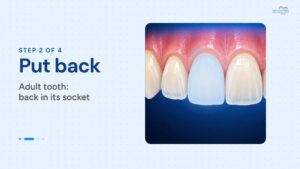
- Put it back if you can: if it is an adult tooth, put it gently back into its socket right away. Hold it in place with a finger or by gently biting down.
- If you can’t, keep it wet: put it in a glass of whole milk or saline, or hold it inside your cheek
- Do not let it dry out, a dry tooth loses viability within minutes
- Call us immediately and come in within 30 minutes if possible
- If a child’s primary (baby) tooth is knocked out, do not attempt to reimplant, call us for guidance
What Happens at Your Trauma Appointment?
When you arrive with a dental injury, our first priority is assessment and stabilization. Here is what to expect:
Clinical Examination and History
We assess the injury, ask when and how it occurred (time elapsed is critical for avulsed teeth), check for associated injuries, and document your symptoms and medical history.
3D CBCT Imaging
A CBCT scan gives us a full three-dimensional picture of the injured tooth and surrounding structures, revealing root fractures, bone damage, and the extent of displacement that conventional X-rays frequently miss.
Immediate Treatment
Depending on the injury: reimplantation and splinting for avulsed teeth, repositioning and splinting for luxated teeth, pulp treatment or protective coverage for crown fractures, and stabilization for root fractures. Treatment is performed under local anesthesia for your comfort.
Follow-Up Monitoring
Traumatized teeth require follow-up monitoring over weeks, months, and sometimes years. Pulp necrosis can develop long after a trauma injury, even in teeth that initially responded normally. We schedule follow-up appointments to monitor pulp vitality and bone healing, and to intervene with root canal treatment if and when it becomes necessary.
When Does Dental Trauma Require a Root Canal?
Not every traumatic dental injury requires immediate root canal treatment, but many eventually do. Root canal treatment after trauma is indicated when:
- The pulp is directly exposed by a crown fracture
- A luxated or avulsed tooth (a tooth that has been completely knocked out of its socket) is reimplanted and pulp necrosis subsequently develops
- Follow-up testing shows the pulp has lost vitality weeks or months after the injury
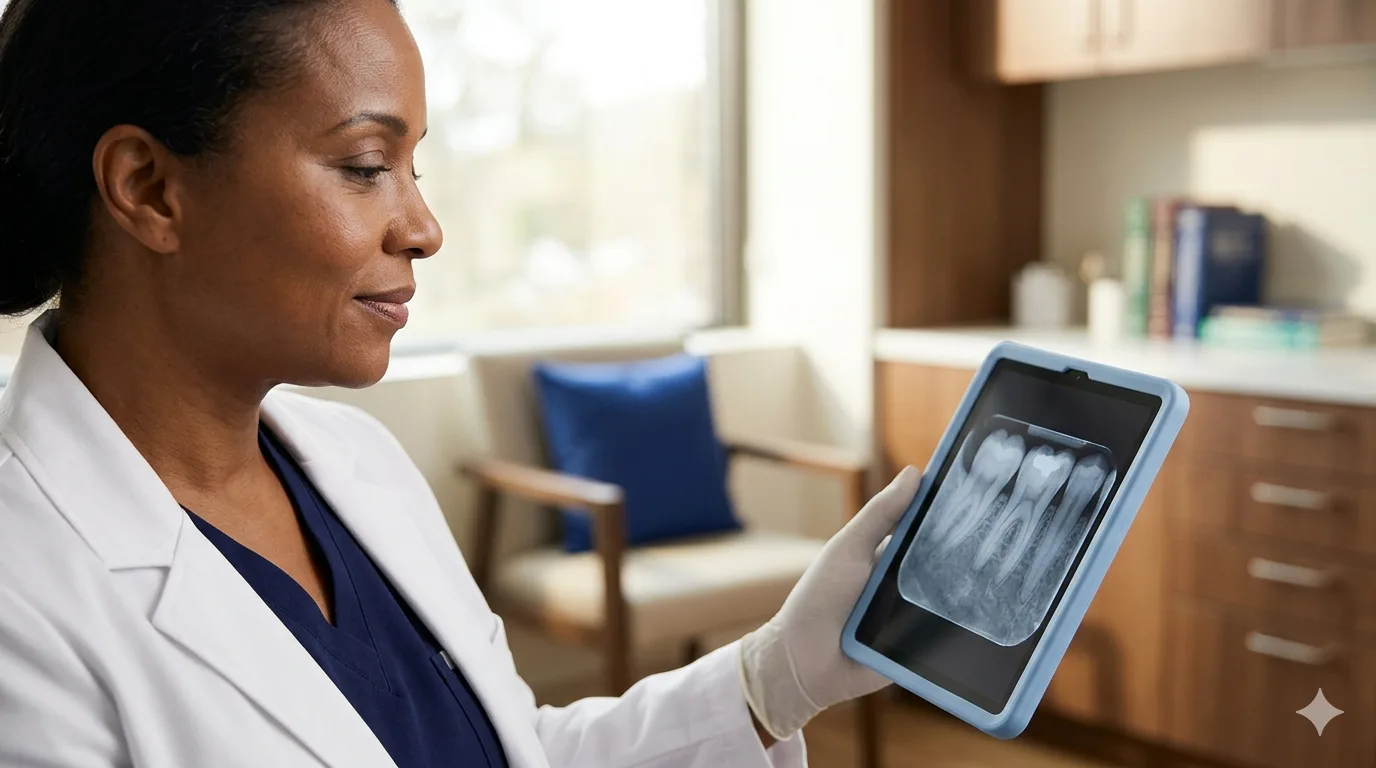
- A periapical (relating to the area surrounding the very tip of a tooth’s root) lesion (an area of infection and bone damage at the tip of a tooth’s root, visible on X-rays) develops on imaging after the trauma
- A tooth develops spontaneous pain or sensitivity after a period of apparent stability
This is why follow-up appointments after dental trauma are not optional. A tooth that feels fine initially can develop silent pulp necrosis over the following months, and catching this early, before a periapical abscess (a pocket of infection at the root tip of a tooth, caused by bacteria spreading from inside the tooth) forms, produces significantly better outcomes.

Preventing Dental Trauma
- Wear a custom mouthguard during contact sports, over-the-counter guards provide far less protection than custom-fitted athletic mouthguards made by your dentist
- Wear a night guard if you grind, bruxism weakens tooth structure over time, making teeth more susceptible to fracture
- Do not use teeth as tools, opening packages, biting nails, or holding objects with teeth is a common source of avoidable dental fractures
- Address crowding or bite problems, teeth in poor alignment are more vulnerable to trauma impact
Frequently asked questions
What should I do if my tooth gets knocked out?
What counts as a dental emergency?
Can a knocked-out adult tooth be saved?
How is a cracked tooth treated?
Will I need a root canal after dental trauma?
How long does treatment for dental trauma take?
What follow-up is needed after a tooth injury?
Are sports mouthguards effective at preventing dental trauma?
Hit your tooth? Same-day care available.
Quick treatment gives a knocked-out tooth its best chance: reach your nearest MFE location and we’ll see you today.
Related care

Emergency Root Canal Treatment
Emergency root canal treatment means being seen today rather than waiting days for an appointment. Call your nearest office, and an endodontic specialist will numb the tooth, find the source of the ache, and treat it in one visit. Most patients feel steady relief within 24 to 48 hours. Learn more →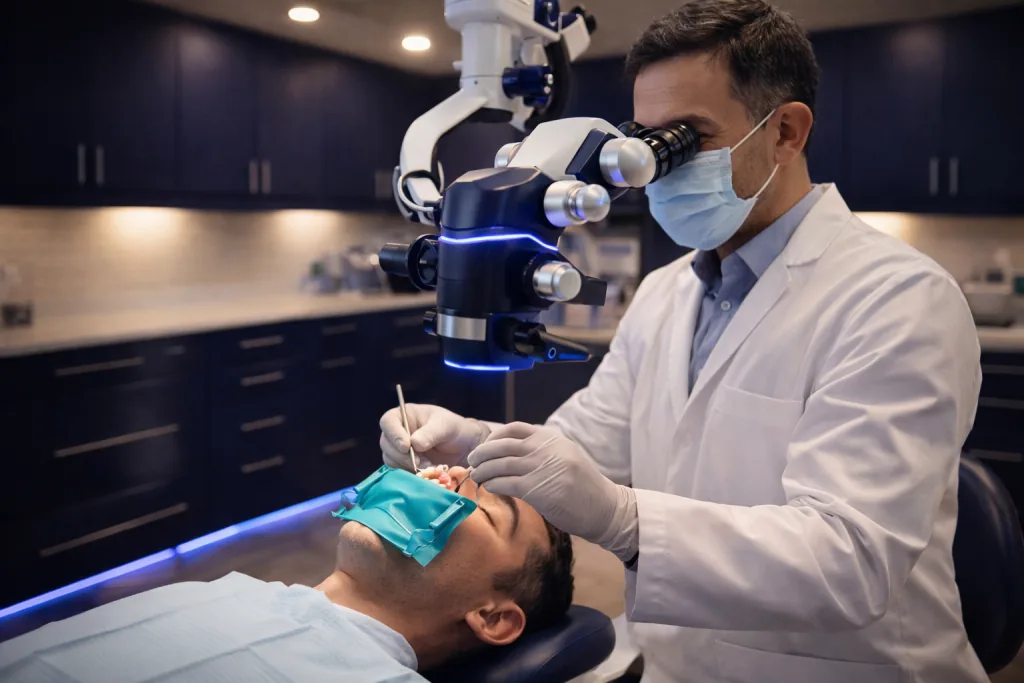
Root Canal Therapy
Root canal therapy is how a tooth with an infected nerve is saved instead of pulled. Your endodontist treats it under a surgical microscope with 3D CBCT imaging and rubber dam isolation, seeing every canal clearly. Your dentist can refer you, or you can call any of our offices directly. Learn more →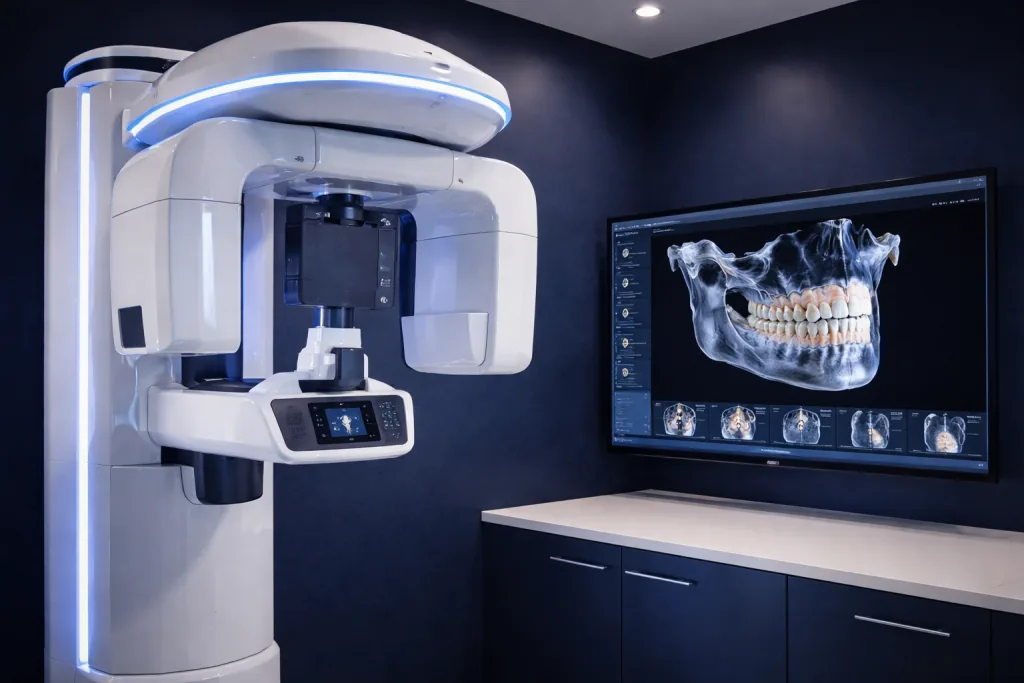
3D CBCT Imaging in Endodontics
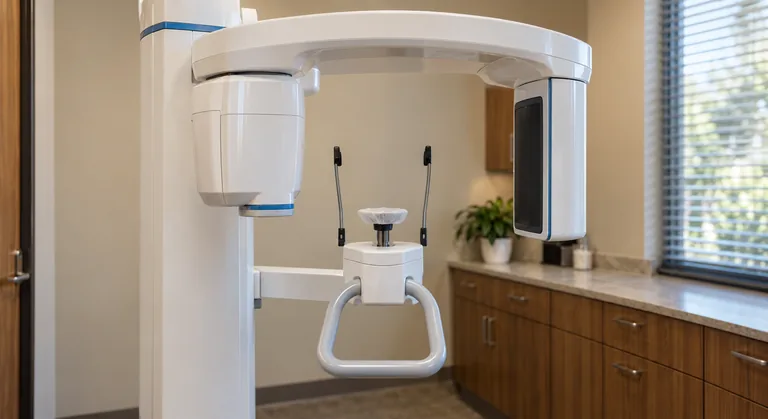
3D CBCT imaging happens during your appointment, without a separate visit and with no preparation on your part. You are positioned in the scanner, and it spins around your head. There is no tunnel, and the scan is done in seconds. Your endodontist then reviews the images with you before treatment begins. Learn more →Specialist Dental Trauma Treatment near you
-
Dental Trauma Treatment in Clermont
Learn more → -
Dental Trauma Treatment in Daytona Beach
Learn more → -
Dental Trauma Treatment in Dr. Phillips, Orlando
Learn more → -
Dental Trauma Treatment in Kissimmee
Learn more → -
Dental Trauma Treatment in Lake Nona, Orlando
Learn more → -
Dental Trauma Treatment in Longwood
Learn more → -
Dental Trauma Treatment in Maitland
Learn more → -
Dental Trauma Treatment in Mount Dora
Learn more → -
Dental Trauma Treatment in Orange City
Learn more → -
Dental Trauma Treatment in The Villages
Learn more → -
Dental Trauma Treatment in Waterford Lakes, Orlando
Learn more → -
Dental Trauma Treatment in Winter Garden
Learn more →





From the blog
Keep reading.
-
 Dental Trauma
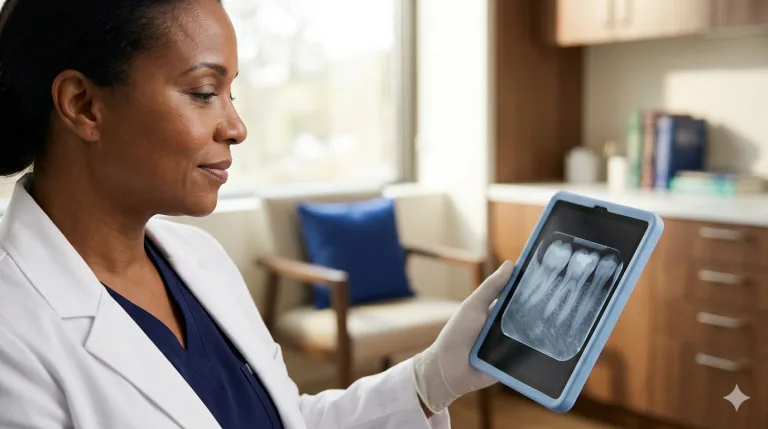
 When Dental Trauma Requires a Root Canal
Does dental trauma always require a root canal? Not immediately, but many traumatized teeth develop pulp necrosis over time. Learn when root canal treatment becomes necessary in Florida. -
 Dental Trauma
 Tooth Injury from Sports: What to Do
Tooth injury from sports? Whether knocked out, loosened, or cracked, the first 30 minutes are critical. Learn exactly what to do from Florida's dental trauma specialists. -
 Dental Trauma
 What Happens If You Crack a Tooth?
What happens if you crack a tooth? The outcome depends on crack depth and location. Learn the progression, treatment options, and why acting quickly saves the tooth in Florida. -
 Cracked Teeth
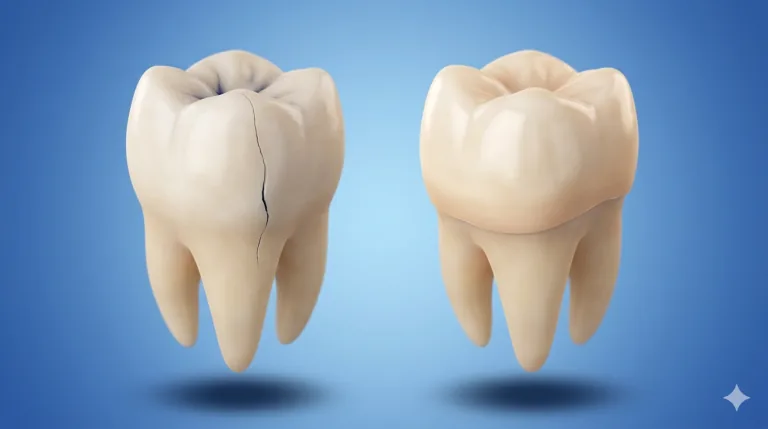
 Can a Cracked Tooth Heal on Its Own?
Can a cracked tooth heal on its own? No, tooth enamel cannot regenerate. Learn what happens when cracks go untreated and what your treatment options are in Florida. -
 Dental Trauma
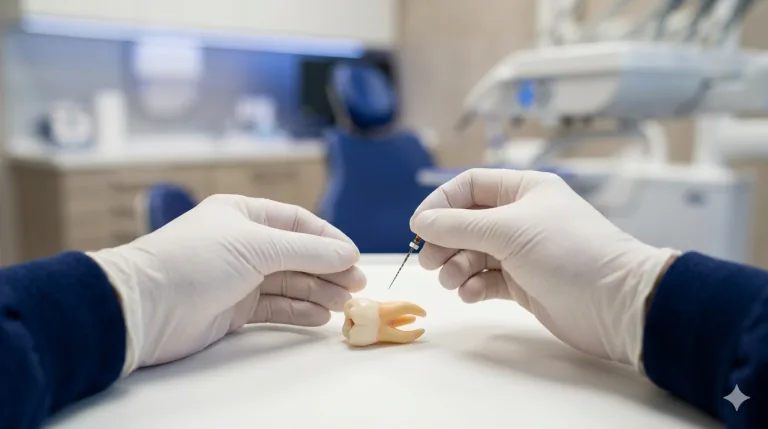
 How Dentists Treat Fractured Teeth
How do dentists treat fractured teeth? Treatment depends on fracture type and depth, from bonding to root canal to extraction. Learn what to expect from Florida's endodontic specialists. -
 Cracked Teeth
 Cracked Tooth Symptoms: What to Watch For
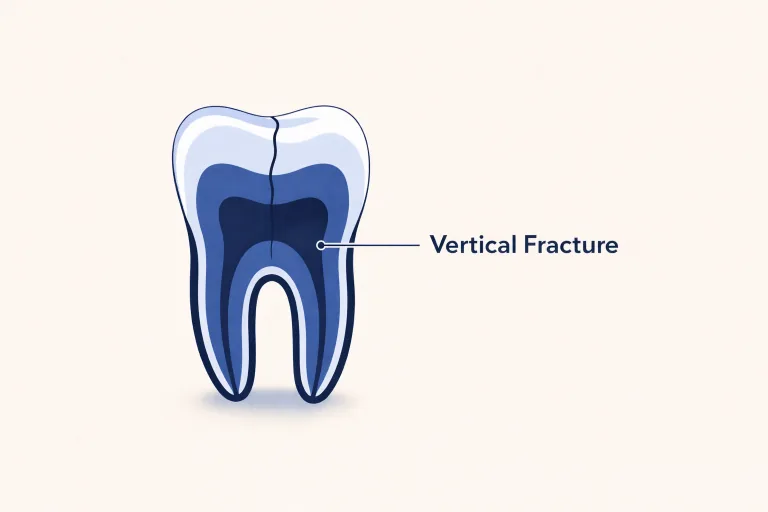
What are the symptoms of a cracked tooth? Sharp pain when biting, inconsistent sensitivity & pain that's hard to locate are key signs. Learn when to see a specialist in Florida.