
Same-day appointments for acute tooth pain
Emergency Root Canal Treatment
Emergency root canal treatment means being seen today rather than waiting days for an appointment. Call your nearest office, and an endodontic specialist will numb the tooth, find the source of the ache, and treat it in one visit. Most patients feel steady relief within 24 to 48 hours.
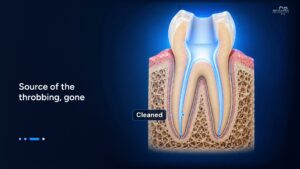
Severe tooth pain that won't quit usually means the nerve inside the tooth is inflamed or infected. Most of our offices offer same-day emergency care. The procedure relieves the pain, stops the infection, and saves the natural tooth.
See it step by step
What happens during an emergency root canal
It’s root canal treatment fit into the same day because waiting in pain isn’t an option. At Mid-Florida Endodontics, an endodontist (a specialist who treats the inside of the tooth all day, every day) finds the source of the pain, numbs the area fully, and treats it in one visit. Knowing when to come in helps: a throbbing ache, lingering sensitivity to hot or cold, pain when biting, or swelling near a tooth are all signs to call rather than wait it out.
Need same-day emergency root canal care? Call early. Most of our offices can see you the same day. That is often within a few hours of your call on weekdays. If you have severe tooth pain, swelling, or a knocked-out tooth, an MFE endodontic specialist can find the source and treat it in a single visit.
If you woke up this morning with throbbing tooth pain, pain that wakes you up at night, sharp pain every time you bite down, or visible swelling near a tooth, the nerve in that tooth is almost certainly inflamed or infected. The pain will not go away on its own. Care today can save the tooth and stop the pain in a single visit.
Every doctor at Mid-Florida Endodontics is an endodontic specialist with two to three additional years of training beyond dental school. That training focuses on diagnosing and treating these exact situations. Most of our offices offer same-day emergency care. When you call, we want to see you today, find the problem with precision, and get you back to normal.

Same-day emergency root canal near you: at most offices
Most of our offices hold urgent appointments for tooth pain on weekdays. When you call, the team’s goal is simple: get you in the same day, identify the problem precisely, and stop the pain before the day is over.
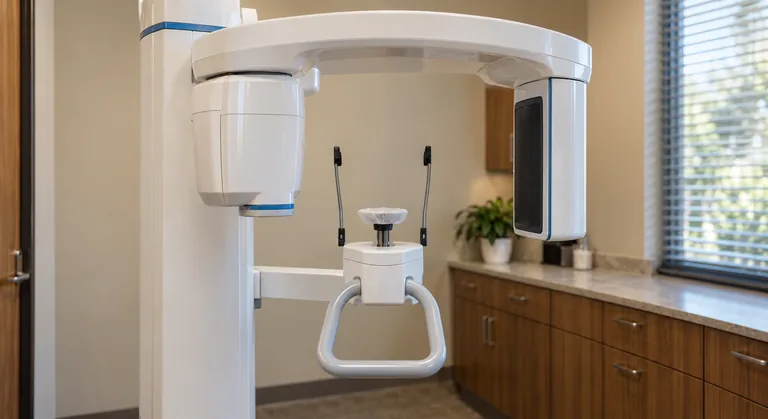
What that looks like in practice: a morning phone call, a same-day appointment, imaging with our 3D CBCT scanner, and root canal therapy (if that is the right treatment) completed in a single visit. Most patients feel significant relief within 24 to 48 hours of treatment.
A referral is preferred but not required. Call your nearest MFE location directly. The team will confirm availability and, if needed, connect you with another nearby MFE office that has an earlier opening.
When you should call us today, not tomorrow
Endodontic emergencies are different from routine dental issues. The signs are usually unmistakable once you know what to look for.
Symptoms that mean call now
If any of these describe what you are feeling right now, call your nearest Mid-Florida Endodontics office today. A referral is preferred but not required. Most offices can fit acute cases in the same business day, often within a few hours.
Why time matters
Tooth pain from pulpitis (inflammation of the soft tissue inside the tooth) follows a predictable arc. The earlier the tooth is treated, the simpler the care and the better the long-term outcome.

Early on, the inflammation is reversible. The nerve is irritated but the tissue is still healthy enough to recover. Treatment can sometimes be as simple as adjusting a high bite or placing a sedative filling.
Once the inflammation crosses into irreversible pulpitis, the tissue inside the tooth is dying and cannot recover on its own. At this stage, root canal therapy is the treatment of choice. Done now, it relieves the pain in a single visit and preserves the natural tooth.
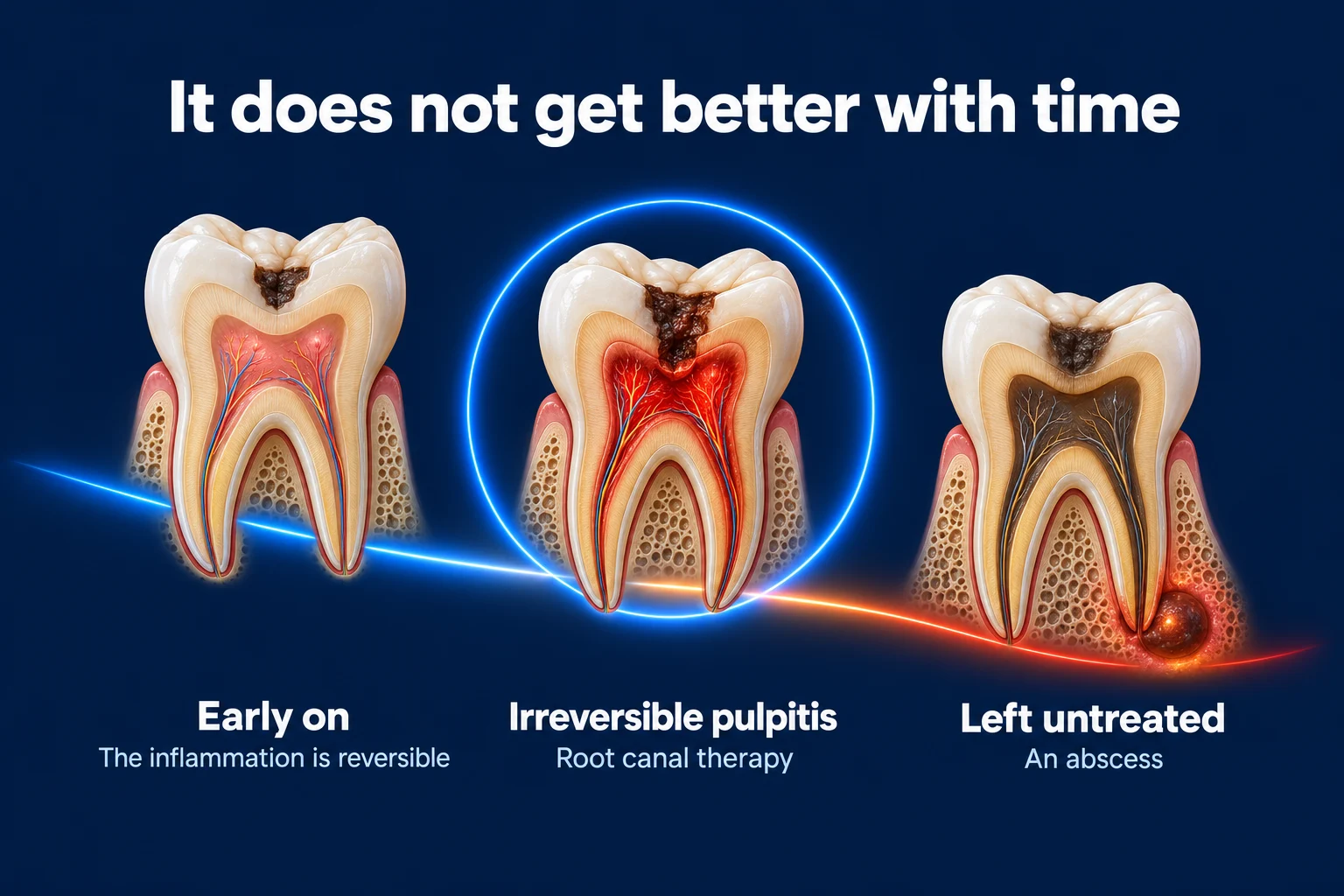
If the tooth is left untreated, the infection eventually spreads from the inside of the tooth into the bone around the root. That creates an abscess. The patient develops swelling, fever, and sometimes spreading infection that becomes a true medical emergency. At that point treatment becomes more complex, sometimes requires antibiotics first to bring the swelling down, and occasionally cannot save the tooth.
The simplest message: acute tooth pain almost always means the tooth needs care today. It does not get better with time. The cost of waiting is usually a more complicated procedure, more visits, and a lower chance of saving the tooth.
What treatment the same day looks like at MFE
Most of our offices offer same-day emergency care. Many keep urgent spots open each weekday, morning and afternoon. A patient who calls with acute pain can usually be seen the same business day, often within a few hours of the call.

The practical experience for the patient: a phone call in the morning, an exam by lunchtime, and the source of the pain identified and treated before the office closes that day. The step-by-step “How it works” below walks through each part of the appointment.
Weekend and after-hours tooth pain: your options
MFE offices are open Monday through Friday, typically 8 am to 5 pm. We don’t keep regular evening or weekend hours.
If your pain starts outside business hours, here is what to do:
For a true emergency after hours (swelling that spreads, a knocked-out tooth), call your office. Our answering service reaches the on-call doctor for advice by phone. For pain that can wait, call first thing the next business morning.
Tonight or this weekend:
- Take ibuprofen (400 to 600 mg every 6 to 8 hours with food) if you tolerate it and your doctor has not advised against it. Ibuprofen reduces both pain and inflammation around the tooth and is more effective for endodontic pain than acetaminophen alone.
- Sleep with your head slightly elevated if there is any swelling.
- Avoid very hot or very cold foods, which can intensify the pain temporarily.
- Note your symptoms: when the pain started, what makes it better or worse, and any swelling, so you can describe them clearly when you call.
First thing Monday morning (or the next business day):
Call your nearest MFE location as early as possible and ask for a same-day emergency appointment. Offices reserve urgent slots for acute cases. The earlier you call, the better your chances of being seen that day.

When to go to the ER instead
Tooth pain is almost never a reason to go to the emergency room. Emergency rooms cannot perform root canal therapy, and ER waits can be long. The right place for tooth pain is a dental specialist.
A small number of situations do require the ER immediately:
- Difficulty breathing or swallowing caused by facial or neck swelling: go to the emergency room or call 911.
- Swelling that has spread to your eye, down your neck, or into your chest: go to the emergency room or call 911.
- Fever above 101 degrees F combined with spreading facial swelling: go to the emergency room or call 911.
- Uncontrolled bleeding from a dental injury.
- A jaw injury that may be fractured.
If any of those apply, go to the nearest emergency room or call 911. Once stabilized, the ER will refer you for definitive care, and your nearest MFE location can see you as soon as you are ready.
For all other tooth pain, call your nearest MFE location when offices open.
The procedure itself
Root canal therapy in an emergency context is the same procedure as a routine root canal, performed by the same specialists with the same modern technology. Pain relief is the priority.
The visit follows a clear sequence:
Diagnose and numb
Your endodontist reviews your symptoms, examines the tooth, and reviews any imaging needed (often a focused CBCT scan that takes seconds). Local anesthesia is delivered so the area is fully numb before any treatment begins. For many patients, getting numb is the first real relief in days.
2
Isolate the tooth
A thin rubber dam is placed over the tooth so the procedure stays clean and dry, and so nothing falls into the mouth or throat during treatment.
3
Open and access the canals
A small opening is made through the top of the tooth so the inflamed or infected tissue inside can be reached.
4
Remove the inflamed tissue
Working under a high-power surgical operating microscope, the endodontist carefully removes the infected or inflamed tissue from inside each root canal. As soon as the inflamed nerve is out, the source of the throbbing pain is gone.
5
Clean and shape the canal system
Nickel-titanium rotary instruments shape the canals while ultrasonic irrigation flushes out bacteria and debris from the microscopic side channels that branch off the main canals. This is the part of the procedure that prevents the infection from coming back.
6
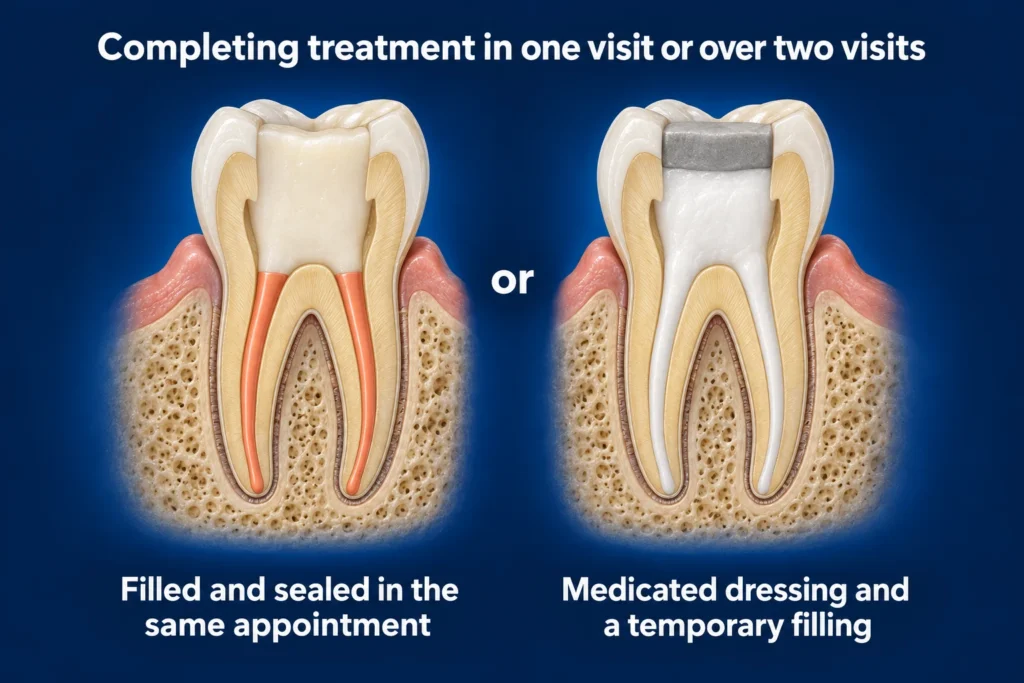
Seal the tooth
The cleaned canals are filled with gutta-percha (a biocompatible rubber-like material) and a sealer so bacteria cannot re-enter. A temporary or permanent restoration is placed to protect the access opening until your general dentist can place the final crown, usually within a few weeks.
A typical emergency root canal takes 60 to 90 minutes from start to finish, including imaging, anesthesia, and the procedure itself. Many patients leave the office in less pain than they walked in with. Almost all patients are back to a normal day within 24 to 48 hours.
After the appointment
Recovery from an emergency root canal is typically quick and uneventful. Mild soreness when biting is normal for two or three days, and over-the-counter ibuprofen is usually all that is needed.
What is normal
- Eat on the other side for the first 24 hours, especially anything chewy or sticky.
- Avoid very hot or cold foods for the first day or two while the tissue settles.
- Brush normally all around your mouth, gently.
- Do not floss around the treated tooth until your permanent crown is placed. Flossing in that spot can dislodge the temporary restoration. Continue flossing every other tooth as usual.
- Follow up with your general dentist for the permanent crown when your endodontist recommends, typically within two to four weeks.
Call the office if
- Pain is increasing rather than improving after the first three or four days.
- Swelling appears or grows.
- The temporary filling falls out.
A successful root canal saves the natural tooth and lets it function for decades. With a good final filling or crown and good home care, a root canal works well for the long term.
Cost and financing
Cost depends on the tooth being treated (front teeth are simpler and less expensive than molars) and on whether retreatment of a previous root canal is needed.
Cost should never be the reason to delay care for an acute tooth.
Why an endodontist instead of a general dentist for emergencies
General dentists handle routine root canals well, especially on front teeth. For an emergency, particularly on a molar, an endodontic specialist brings three advantages.
This is also why the American Association of Endodontists (AAE) recommends that complex or painful cases be referred to a specialist. For an emergency, that referral is the patient handoff you want.
Find your nearest MFE location to be seen today
MFE endodontic specialists are available at many locations across Florida. Whether you are in the Orlando area, on the west or east side, or farther out, there is likely an MFE location near you.
To book a same-day emergency appointment:
- Use the location finder to find the office closest to you.
- Call that office directly and tell the team you are in pain and need a same-day slot.
- If that location is full, the team can connect you with a nearby MFE office that has earlier availability.
Frequently asked questions
How soon can I be seen?
Are you open evenings or weekends?
Will the procedure hurt?
Do I need a referral from my general dentist?
Can I drive myself home after?
What if my tooth was knocked out?
What if I can not afford treatment right now?
What if my pain goes away on its own before the appointment?
Can I get a root canal the same day I call?
What should I do for severe tooth pain right now?
Do you see dental emergencies on weekends?
How do I find the nearest MFE endodontics office?
What if my pain is severe but it is after hours?
Find care close to home.
Most of our offices offer same-day emergency care.
Related care
Root Canal Therapy
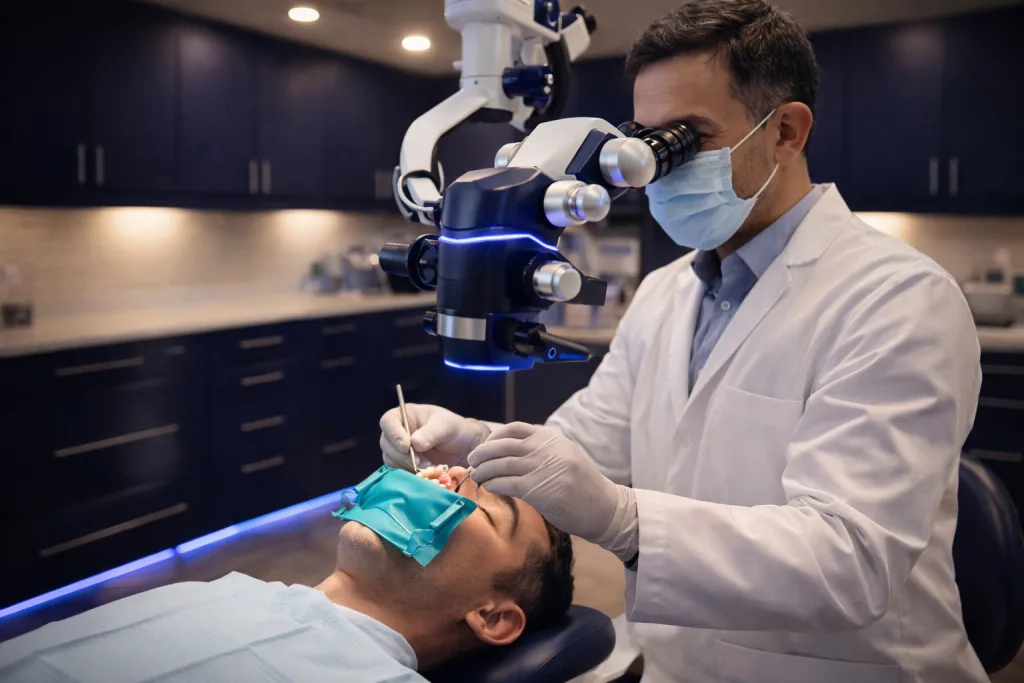
Root canal therapy is how a tooth with an infected nerve is saved instead of pulled. Your endodontist treats it under a surgical microscope with 3D CBCT imaging and rubber dam isolation, seeing every canal clearly. Your dentist can refer you, or you can call any of our offices directly. Learn more →
Dental Trauma Treatment
Same-day care for knocked-out teeth, root fractures, and dental injuries. We work fast because every minute matters, especially for avulsed teeth. Learn more →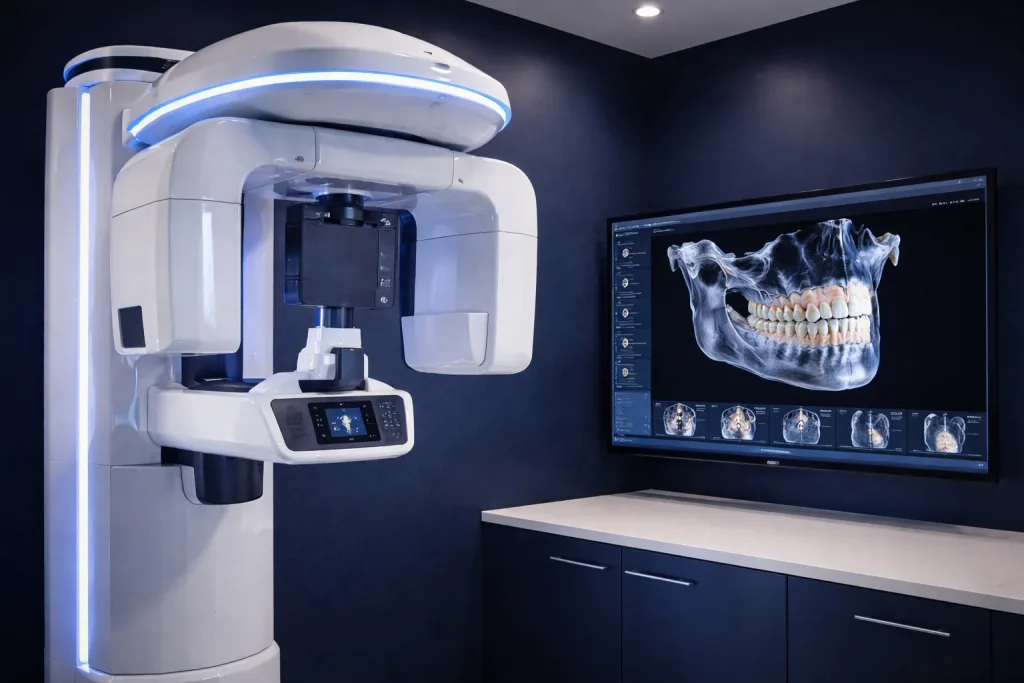
3D CBCT Imaging in Endodontics
3D CBCT imaging happens during your appointment, without a separate visit and with no preparation on your part. You are positioned in the scanner, and it spins around your head. There is no tunnel, and the scan is done in seconds. Your endodontist then reviews the images with you before treatment begins. Learn more →Specialist Emergency Root Canal Treatment near you
-
Emergency Root Canal Treatment in Clermont
Learn more → -
Emergency Root Canal Treatment in Daytona Beach
Learn more → -
Emergency Root Canal Treatment in Dr. Phillips, Orlando
Learn more → -
Emergency Root Canal Treatment in Kissimmee
Learn more → -
Emergency Root Canal Treatment in Lake Nona, Orlando
Learn more → -
Emergency Root Canal Treatment in Longwood
Learn more → -
Emergency Root Canal Treatment in Maitland
Learn more → -
Emergency Root Canal Treatment in Mount Dora
Learn more → -
Emergency Root Canal Treatment in Orange City
Learn more → -
Emergency Root Canal Treatment in The Villages
Learn more → -
Emergency Root Canal Treatment in Waterford Lakes, Orlando
Learn more → -
Emergency Root Canal Treatment in Winter Garden
Learn more →




From the blog
Keep reading.
-
 Dental Emergencies
When Is Tooth Pain a Dental Emergency?
When is tooth pain a dental emergency? Severe throbbing, swelling, fever, or difficulty swallowing require same-day care. Learn the warning signs from Florida's endodontic specialists. -
 Dental Emergencies
Can You Go to the ER for Tooth Pain?
Can you go to the ER for tooth pain? Yes, in certain situations. Learn when the ER is the right call, what they can and can't do, and when an endodontist is the better option in Florida. -
 Infections & Abscess
Dental Abscess: Symptoms and Treatment
What is a dental abscess? Learn the symptoms, types, treatment options, and when it becomes a medical emergency. Expert guidance from Florida's endodontists. -
 Tooth Sensitivity
Throbbing Tooth Pain: What It Means
Throbbing tooth pain is one of the strongest signs of pulp infection or abscess. Learn what causes it, why it pulses, and when it requires same-day care in Florida. -
 Tooth Pain
Why Does Tooth Pain Get Worse at Night?
Why does tooth pain get worse at night? Increased blood flow, lying down & fewer distractions all intensify dental pain. Learn causes and when to call an endodontist. -
 Infections & Abscess
Signs of a Tooth Infection
What are the signs of a tooth infection? Throbbing pain, swelling, fever & a gum pimple are key warning signs. Learn when to see a Florida endodontist immediately.